
Chemistry and Environment
Listen:
Playback stoppedUndergraduate Programs
- Environmental Engineering
- Introduction:A key program blending advanced theory, laboratory practice, and field surveys. It equips students with modern engineering skills to control pollution, protect ecosystems, and address global environmental challenges.
- Highlights:Practical training utilizing advanced laboratories and collaborative research projects; abundant opportunities for merit and corporate scholarships; access to seminars with leading industry experts.
- Credits:155 credits.
- Duration:5 years (Engineer’s Degree).
- Objective:To train engineers with solid expertise capable of analyzing and forecasting environmental issues; designing and operating waste treatment systems (wastewater, exhaust gas, solid waste); and managing resources towards sustainable development and a circular economy.
- Career Prospects:Starting salary ranges from 10–25 million VND/month.
- Design, consulting, or operations engineer at environmental firms and multinational corporations.
- Environmental manager at industrial zones and manufacturing plants.
- Officer at state management agencies (Ministry/Department of Natural Resources and Environment, Ministry of Construction, Ministry of Science and Technology).
- Researcher or lecturer at universities, institutes, or international NGOs.
- Chemical Engineering
- Introduction:Provides comprehensive knowledge of chemical technology, analytical techniques, and the design and operation of chemical-physical conversion processes for key industries like oil & gas, pharmaceuticals, cosmetics, and advanced materials.
- Highlights:Practical-oriented curriculum in modern analytical labs and pilot plants; early involvement in applied research and product development; direct internship and recruitment opportunities with top chemical enterprises.
- Credits:155 credits.
- Duration:5 years (Engineer’s Degree).
- Objective:To equip students with deep knowledge of reaction engineering, chemical synthesis, process simulation, and material technology to master technology, manage production lines, and drive R&D for eco-friendly products.
- Career Prospects:
- Operations or process engineer at chemical, petrochemical, fertilizer, plastics, paint, or rubber plants.
- R&D engineer for pharmaceuticals, cosmetics, and FMCG companies.
- QA/QC or HSE (Health, Safety, Environment) specialist.
- Academic lecturer, researcher, or state inspection officer.
- Biotechnology
- Introduction:A modern multidisciplinary field bridging biology, engineering, and technology. Covers experimental biology, gene technology, microbiology, enzyme engineering, and applications in environment, agriculture, medicine, and food processing.
- Highlights:Hands-on training in molecular biology, micro-technology, and cell culture labs; participation in ministry- and state-level research projects; internship opportunities at top research institutes.
- Credits:130 credits.
- Duration:4 years (Bachelor’s Degree).
- Objective:To train specialists capable of designing and operating biological production processes, applying microbial and enzyme technology to environmental treatment, crop improvement, functional foods, and high-value bio-products.
- Career Prospects:
- R&D engineer or technical officer in pharmaceuticals, food, cosmetics, bio-fertilizers, and environmental processing.
- QA/QC specialist at biomedical, food, or agricultural testing centers.
- Researcher or lab technician at research institutes (e.g., Institute of Biotechnology).
- Lecturer or management specialist at state agencies related to Agriculture, Environment, and Science & Technology.
Master’s Program:
- Environmental Science
- Introduction:Designed to train strategic thinkers and high-quality human resources capable of solving complex environmental problems amid climate change. Focuses on environmental management, pollution treatment, EIA, and sustainable resource exploitation.
- Highlights:Application-oriented curriculum; modern laboratory and institute access; experienced faculty trained abroad; direct involvement in national and international research projects.
- Credits:60 credits (coursework, practicals, research seminars, and master’s thesis).
- Duration:5 years (flexible schedules, including weekend classes for working professionals).
- Objective:To impart advanced scientific knowledge in pollution control and ecological management; hone independent research and EIA skills; and build leadership for multidisciplinary and international environments.
- Career Prospects:
- State agencies: Ministry/Department of Natural Resources and Environment, Environmental Protection Agencies, monitoring centers.
- Enterprise & Industry: EHS Managers/Specialists at multinational corporations and industrial zones.
- International NGOs & Consultancies: Environmental and climate change consultants.
- Academia: University lecturers and scientific researchers.
Doctoral Programs
- Environmental Engineering
- Introduction:The highest academic level focusing on deep research, original knowledge creation, and solving complex environmental engineering and management problems.
- Highlights:Advanced research in modern waste treatment technologies, biomimicry, and circular economy; access to key laboratories and high-tech monitoring centers; opportunities for ISI/Scopus publications and state-funded (NAFOSTED) projects.
- Credits:90–120 credits (depending on entry qualifications: Master’s or Bachelor’s degree).
- Duration:3–4 years (3 years for Master’s holders; 4 years for exceptional Bachelor’s graduates).
- Objective:To cultivate high-level scientists capable of independent critical research, leading multidisciplinary teams, mastering advanced technologies, and designing complex environmental solutions.
- Career Prospects:
- Senior lecturer or lead researcher at universities and institutes worldwide.
- Senior advisor or executive at government ministries (MONRE, MOST).
- Chief Technology Officer (CTO) or Senior R&D Director at energy, infrastructure, and environmental corporations.
- Independent consultant for international development organizations (World Bank, ADB, UNDP, JICA).
- Soil and Water Environment
- Introduction:Advanced doctoral training specializing in continental environmental science and engineering. Focuses on pollution mechanisms in soil-water matrices and sustainable land-water management under climate change.
- Highlights:Capitalizes on Thuyloi University’s premier legacy in water resources and soil environments; access to field monitoring models and advanced simulation tools; participation in international projects (with partners from the Netherlands, Japan, South Korea, etc.).
- Credits:90–120 credits.
- Duration:3–4 years (3 years for relevant Master’s holders; 4 years for exceptional Bachelor’s graduates).
- Objective:To produce top-tier experts skilled in formulating treatment technologies, drafting management policies, and leading major research programs addressing land and water degradation.
- Career Prospects:
- Senior lecturer/researcher at specialized institutes (e.g., Vietnam Academy of Science and Technology, Water Resources Institute).
- High-level policy advisor or manager at state agencies (MONRE, MARD, MOST).
- Lead consultant or project manager for global bodies (WB, ADB, JICA, UNDP) on river basin management and sustainable development.
- Technical Director or Senior R&D Specialist in environmental infrastructure corporations.
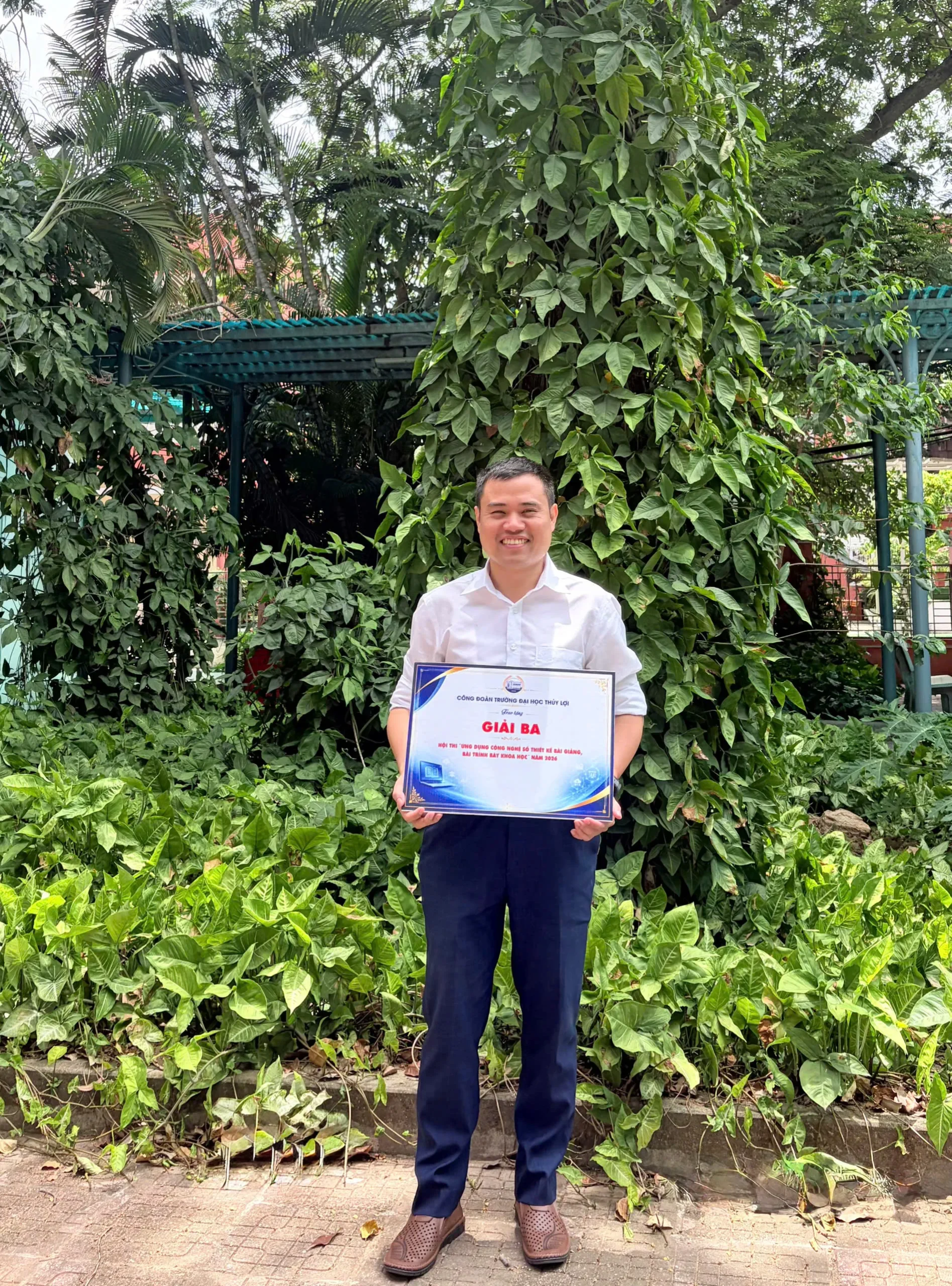
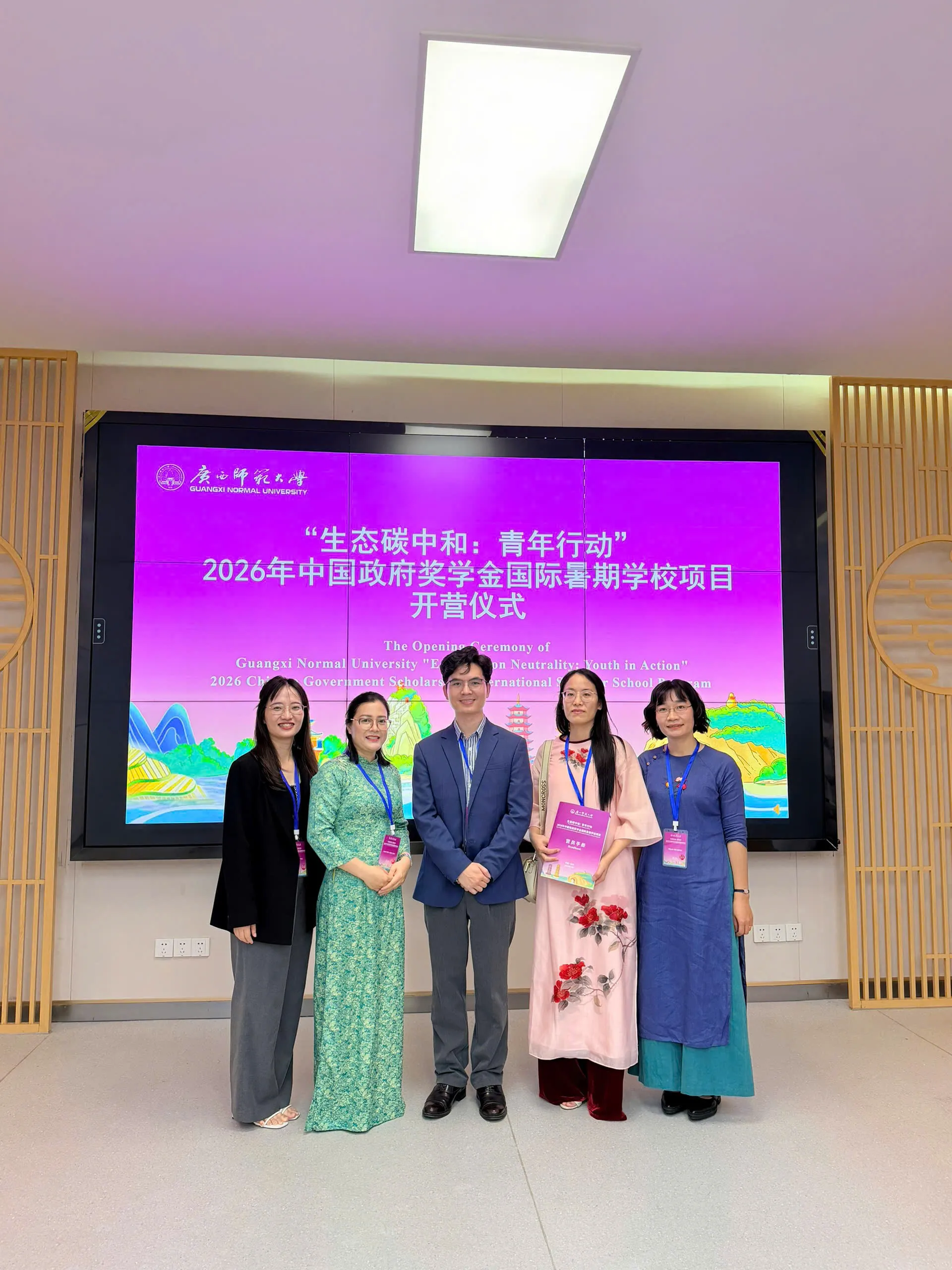
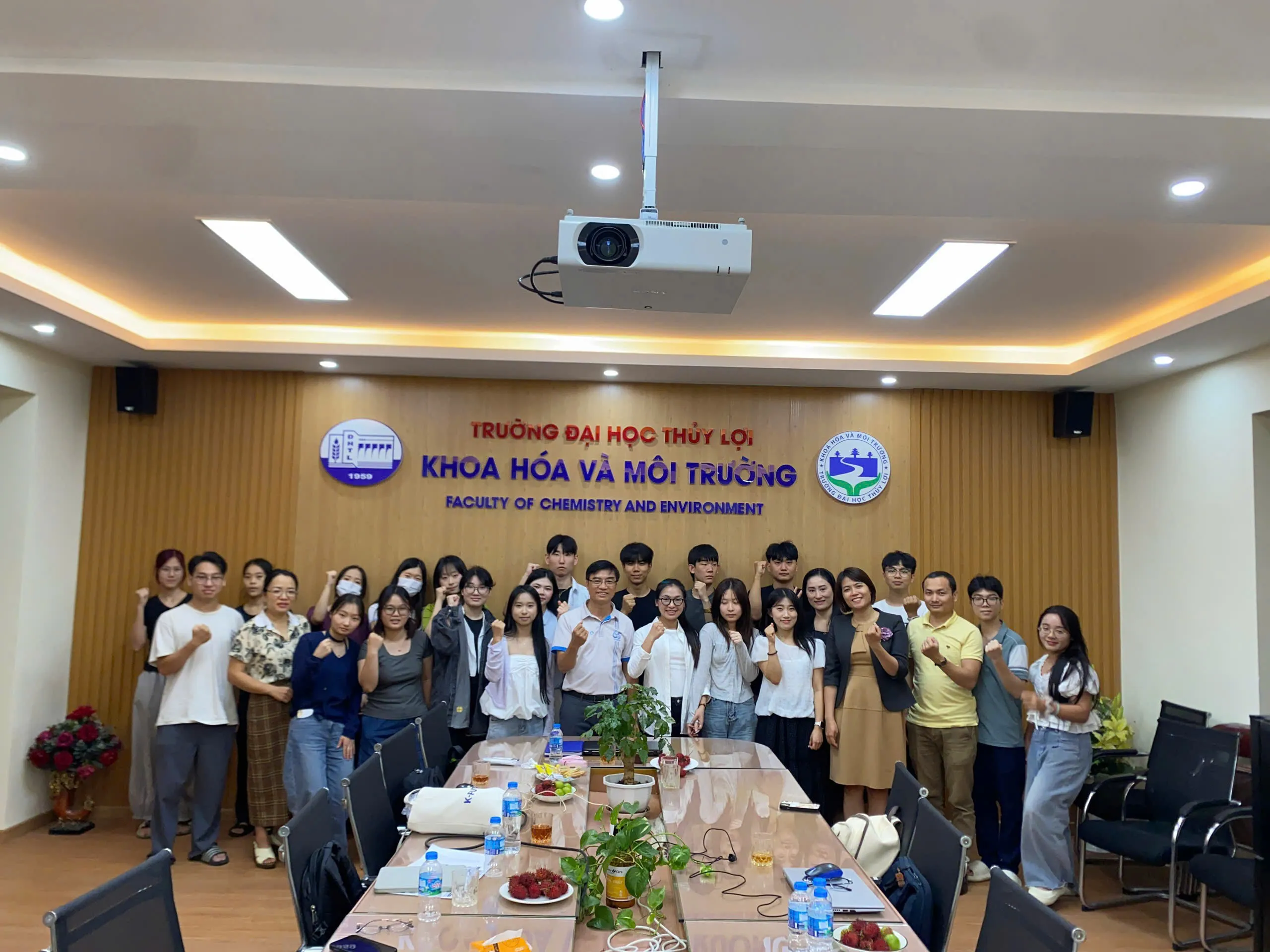
Program Activities
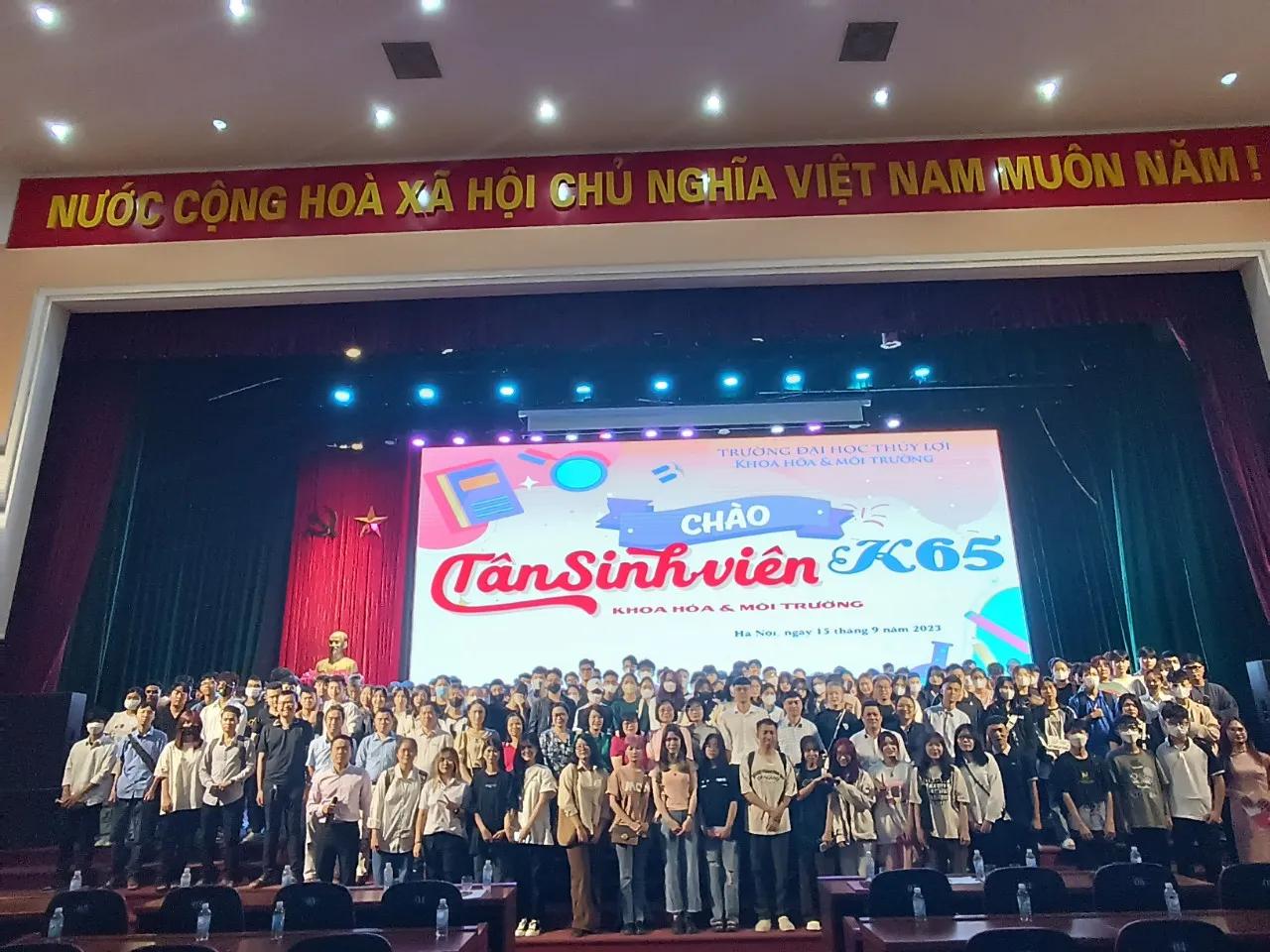
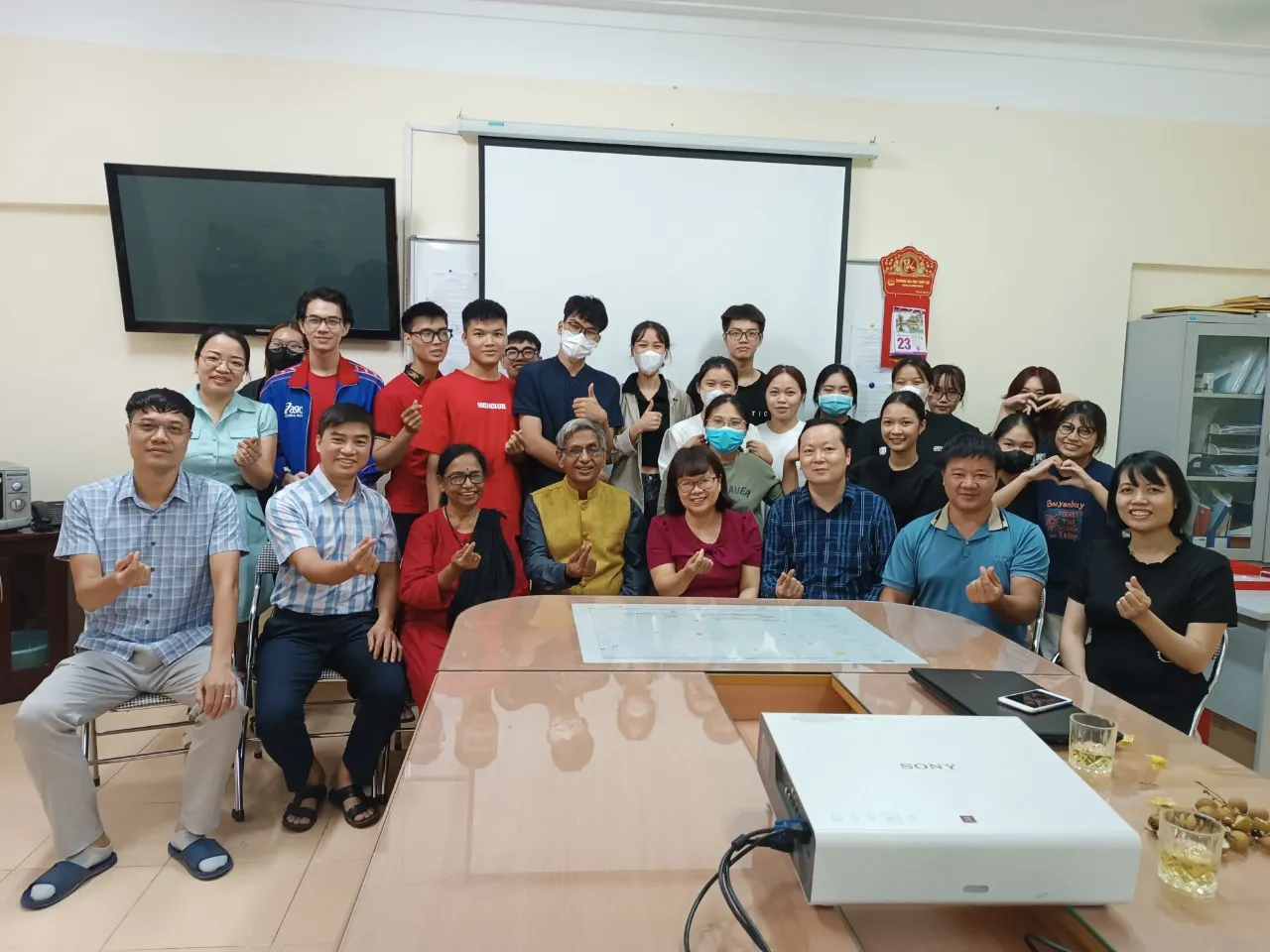
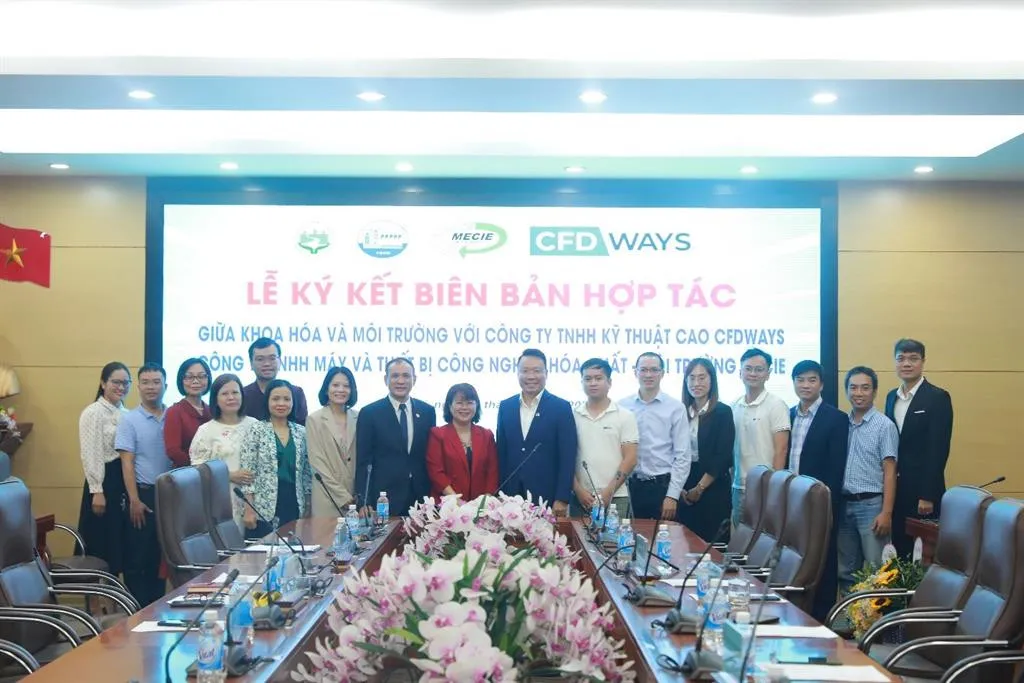
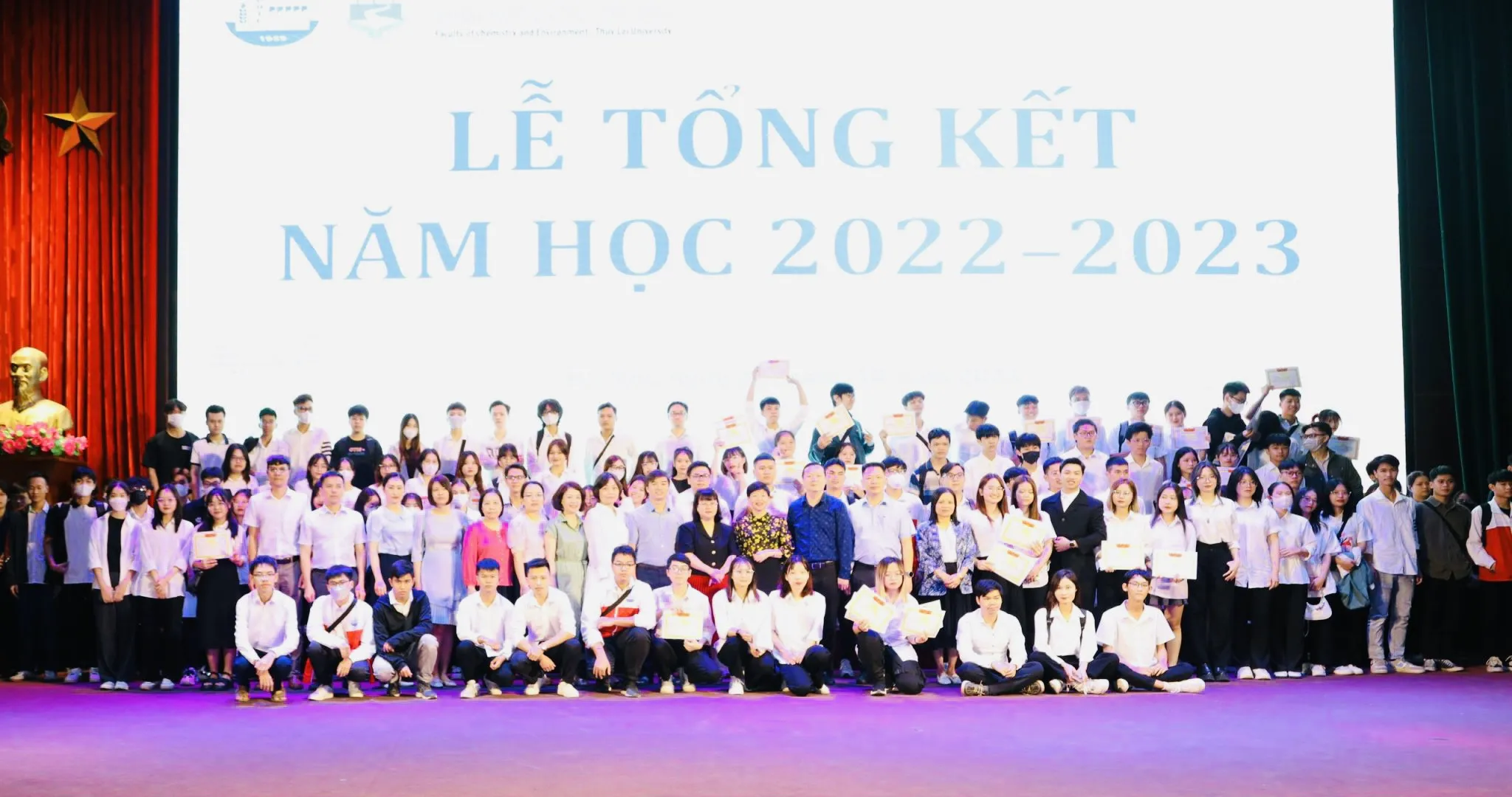
Contact Information
- Website:https://Env.tlu.edu.vn
Lê Quang Tuấn