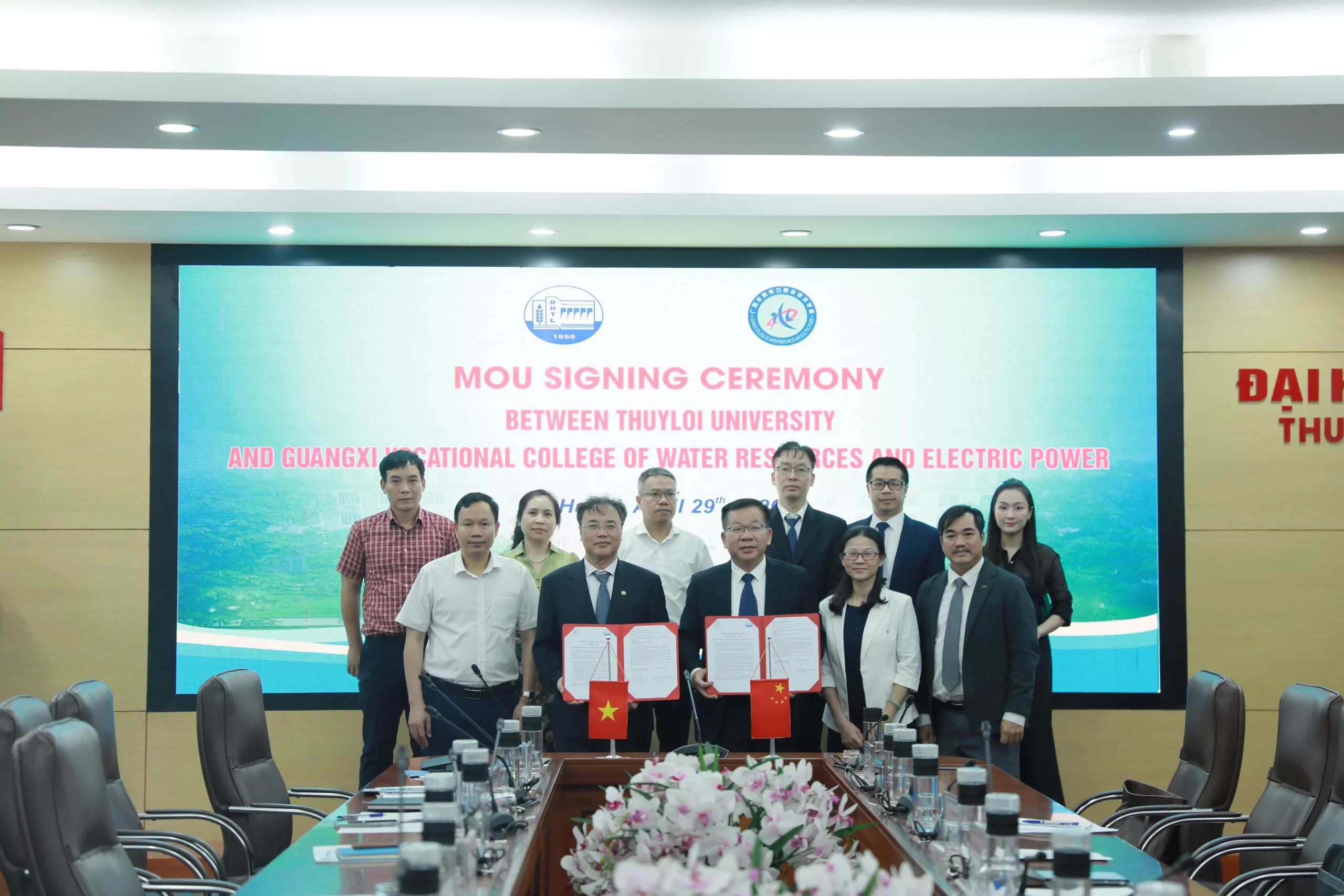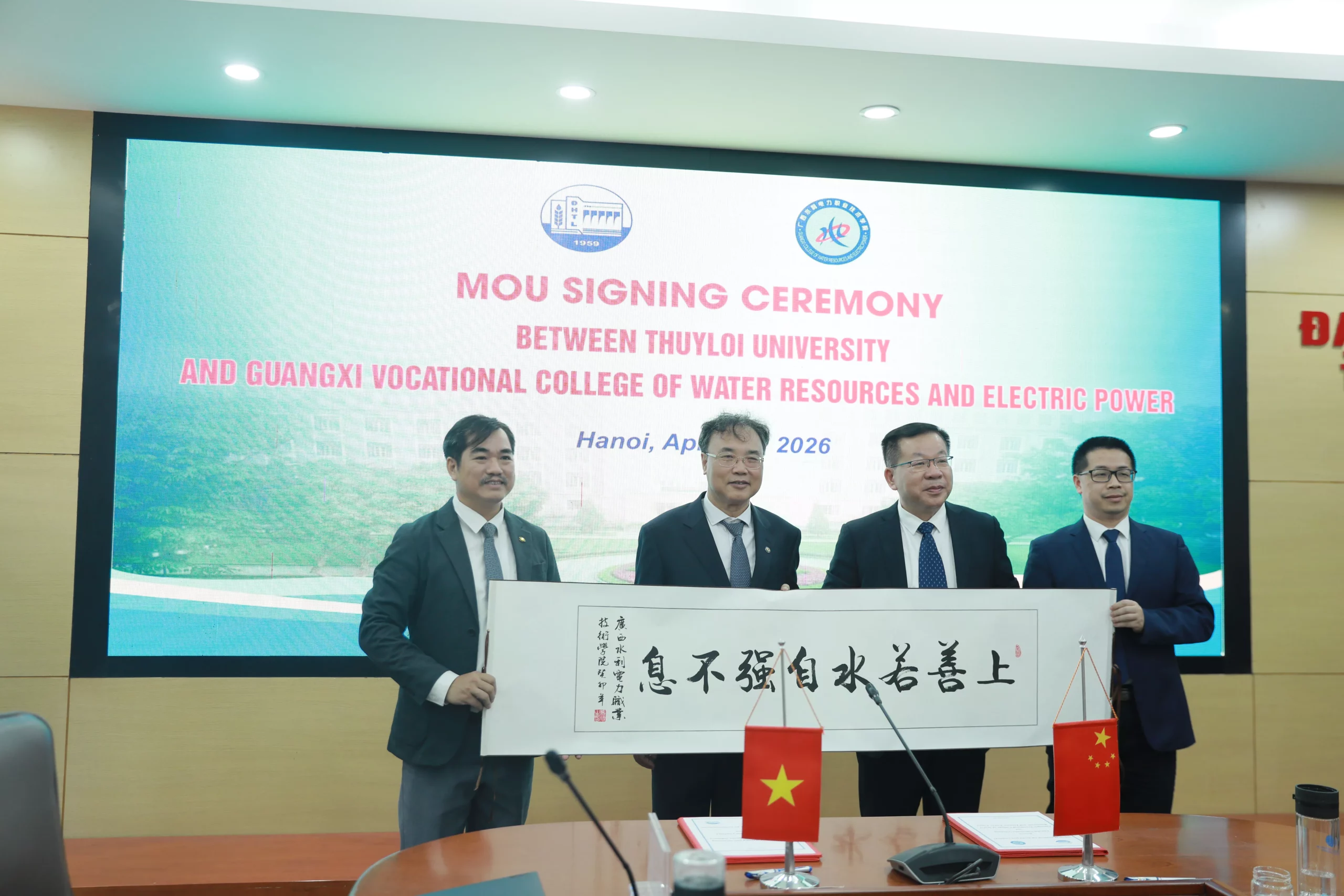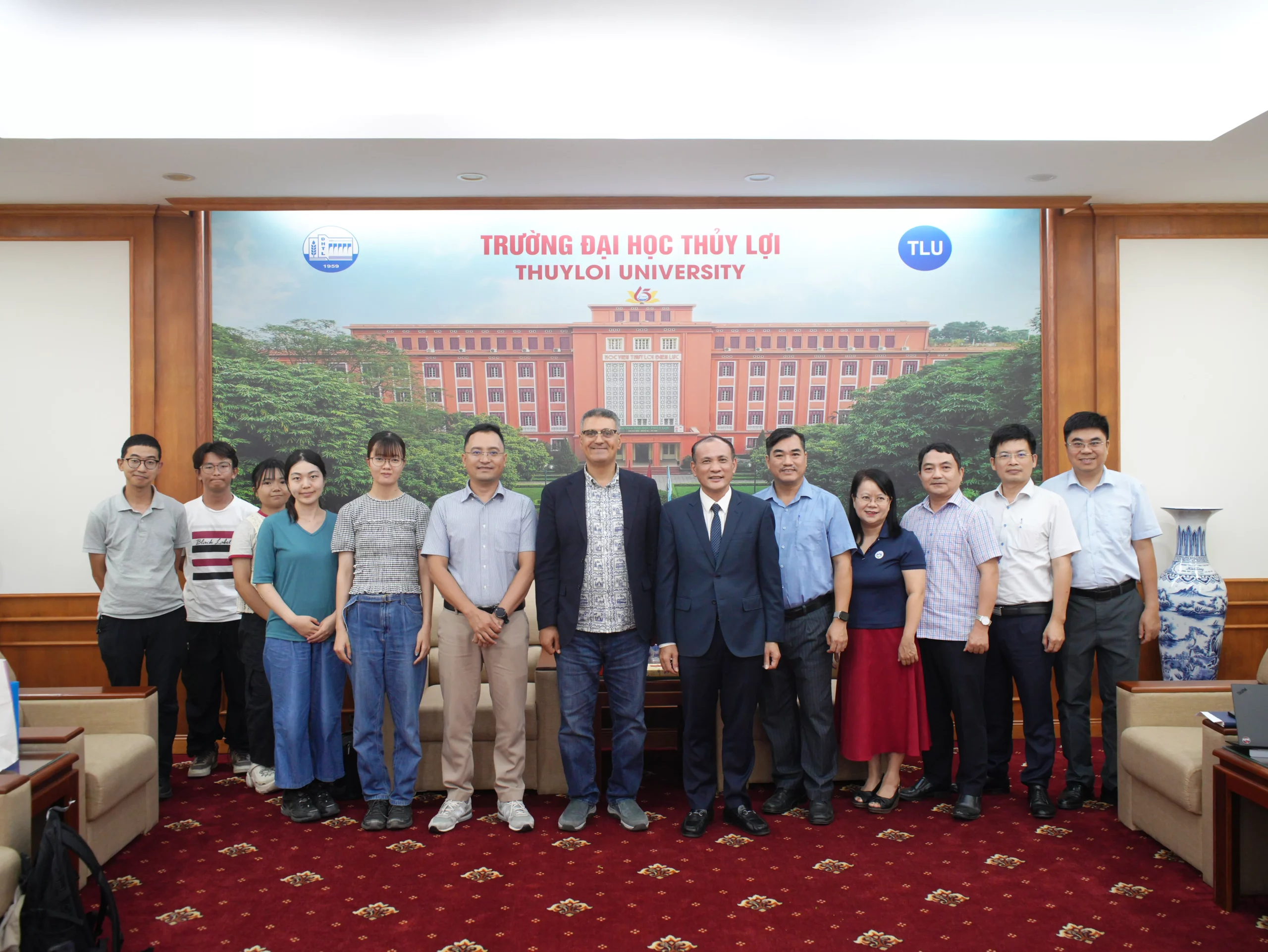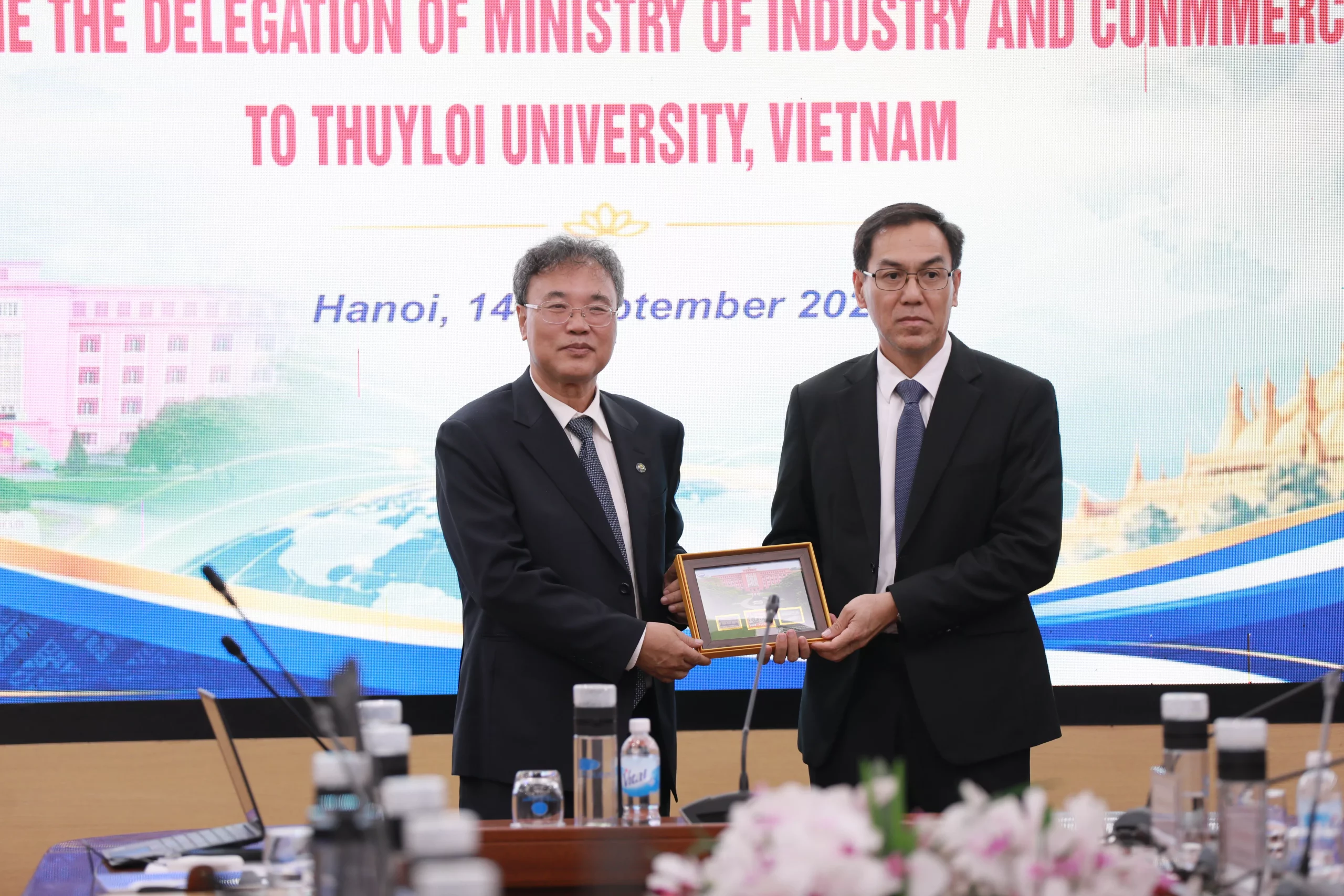
On the morning of April 29, 2026, Thuyloi University held a working session with a delegation from Guangxi Vocational College of Water Resources and Electric Power (GCWE) to discuss directions for cooperation in education and training, scientific research, and human resource development.
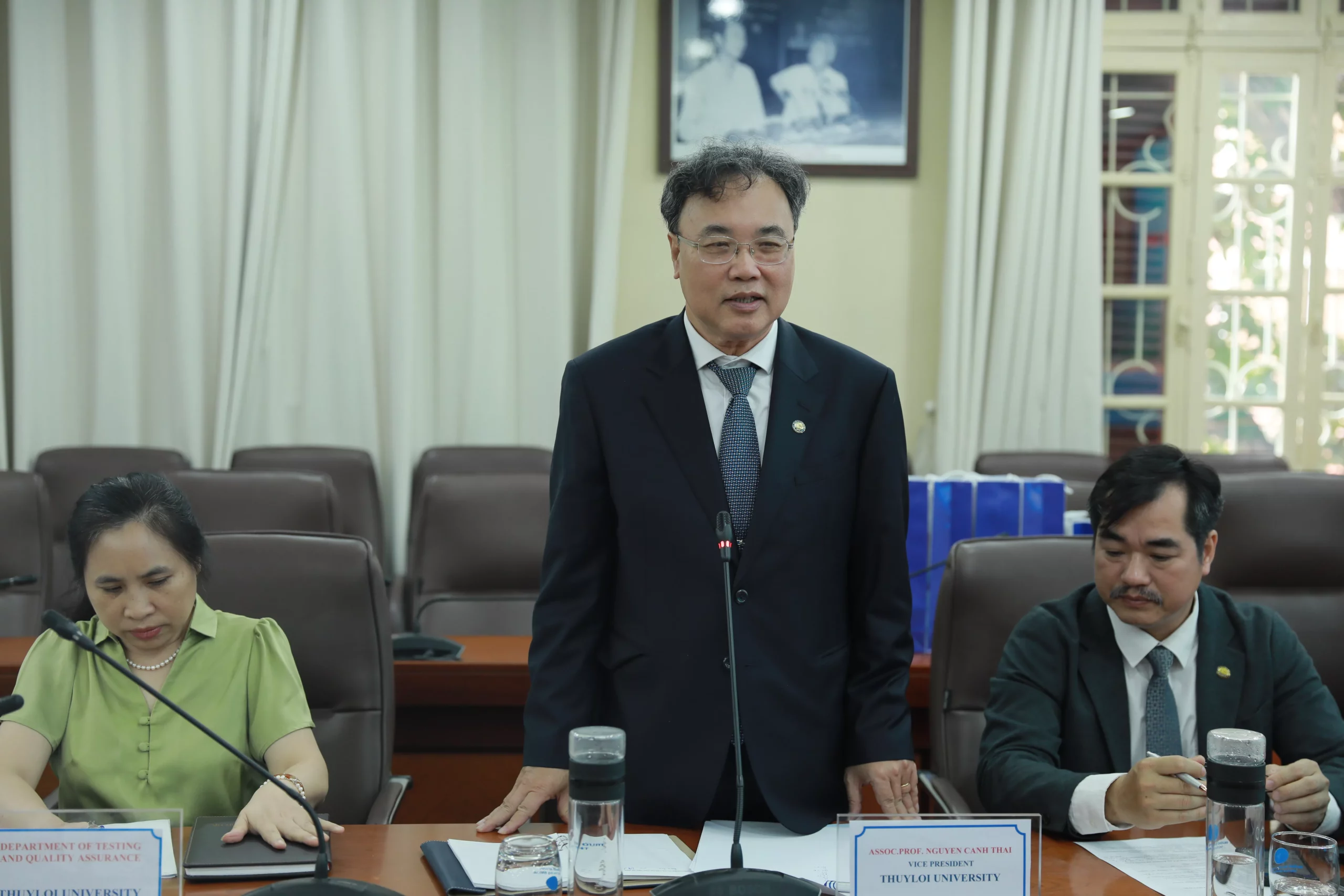
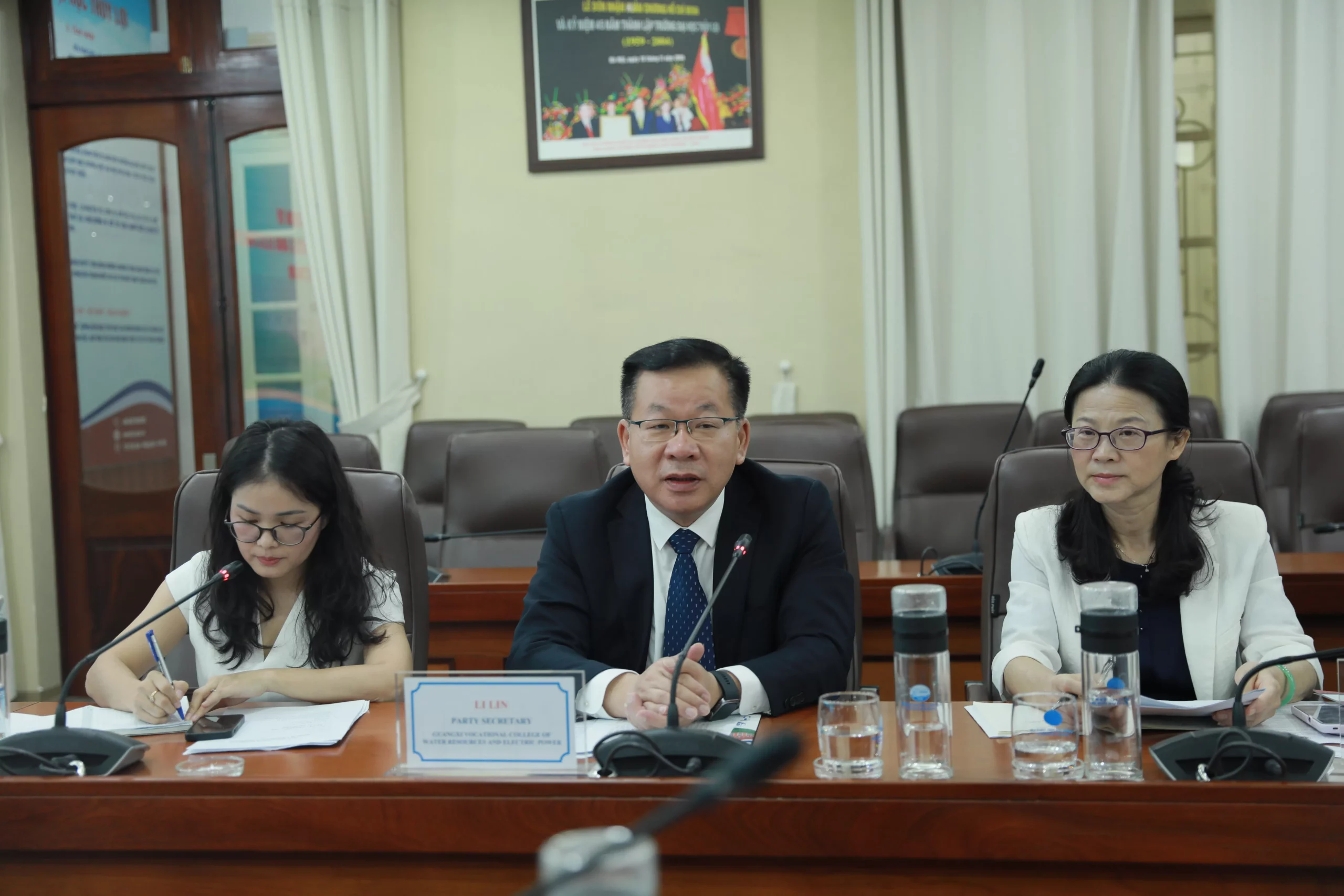
On behalf of Guangxi Vocational College of Water Resources and Electric Power, Mr. Li Lin, Secretary of the Party Committee, presented an overview of the institution’s development and standing. He emphasized that GCWE is one of the leading vocational education institutions in China, ranking among the top 10% of more than 1,600 colleges nationwide.
He also noted that Vietnam and China share a common border and face many similar challenges related to water resources and disaster prevention, which creates significant potential for cooperation in training and applied research. In addition, the college is actively promoting the internationalization of vocational education and expanding partnerships with institutions around the world.
Mr. Li Lin expressed his appreciation to Thuyloi University for sending a delegation to Guangxi to attend the series of events commemorating World Water Day 2026. The events were jointly organized in Nanning City, Guangxi Province, China, by the Department of Water Resources of the Guangxi Zhuang Autonomous Region, universities and colleges in Guangxi, and the Departments of Agriculture and Environment of the Vietnamese provinces of Quang Ninh, Lang Son, Cao Bang, and Tuyen Quang.
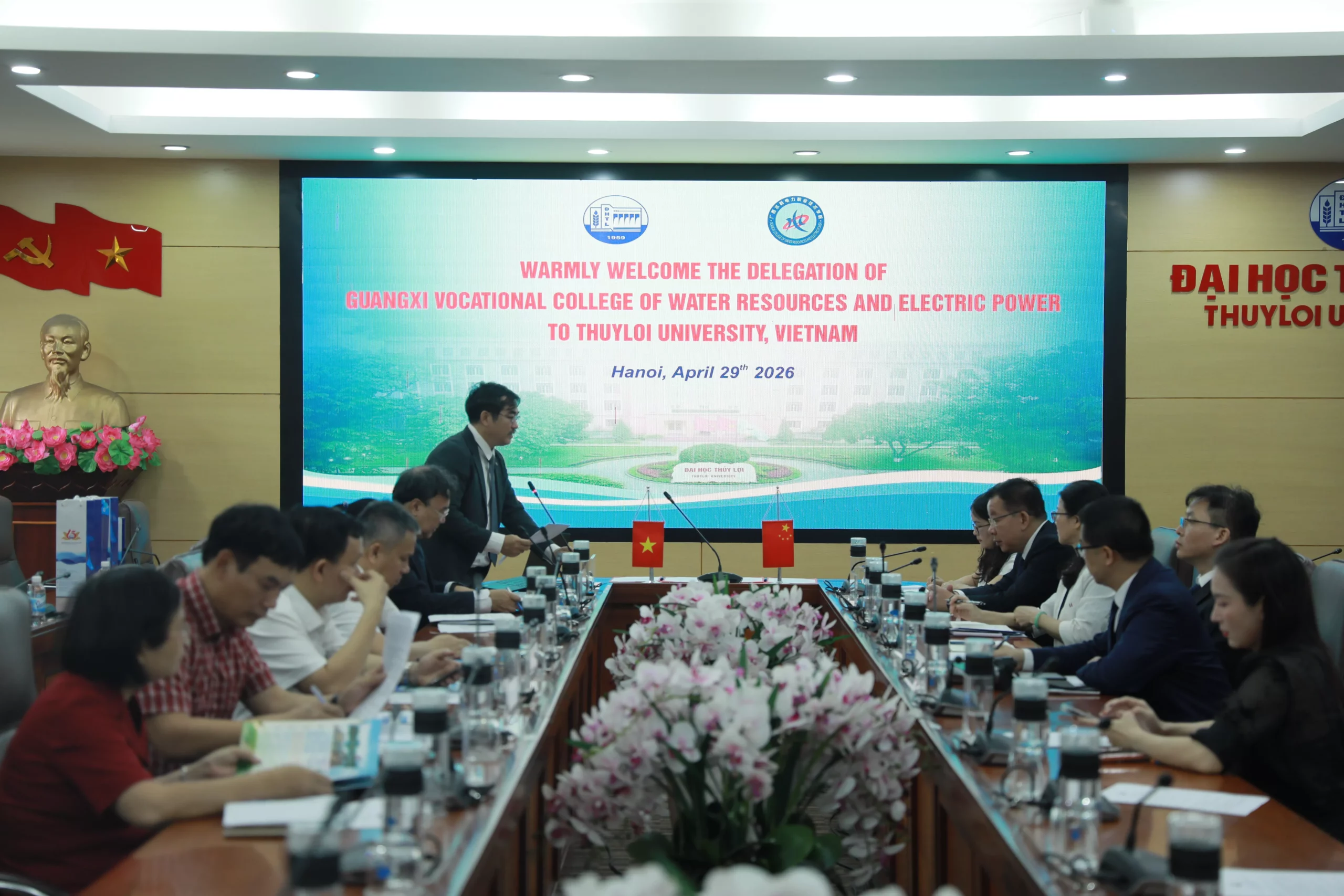
During the meeting, both sides focused on discussing potential areas of cooperation, including curriculum development, student exchange, joint scientific research, and technology transfer in engineering fields.
In particular, both parties showed strong interest in strengthening the linkage between theoretical training and practical application, as well as aligning education with the real-world needs of shared disciplines such as water resources, energy, and mechanical engineering. They also agreed to promote the development of cooperative programs in the near future, including faculty exchange, student training, organization of scientific workshops, establishment of joint research groups, and enhanced academic exchange between faculty members and students.