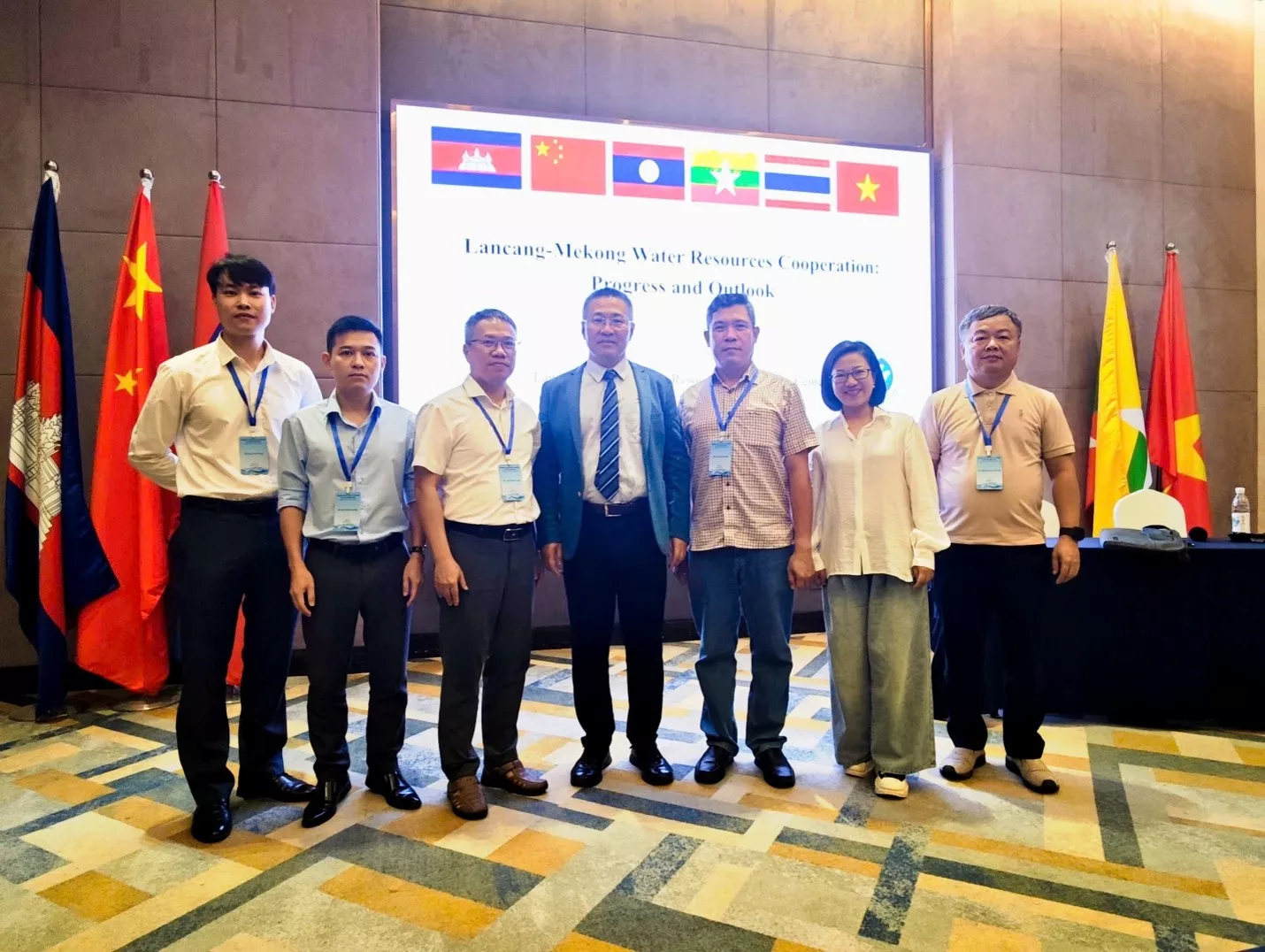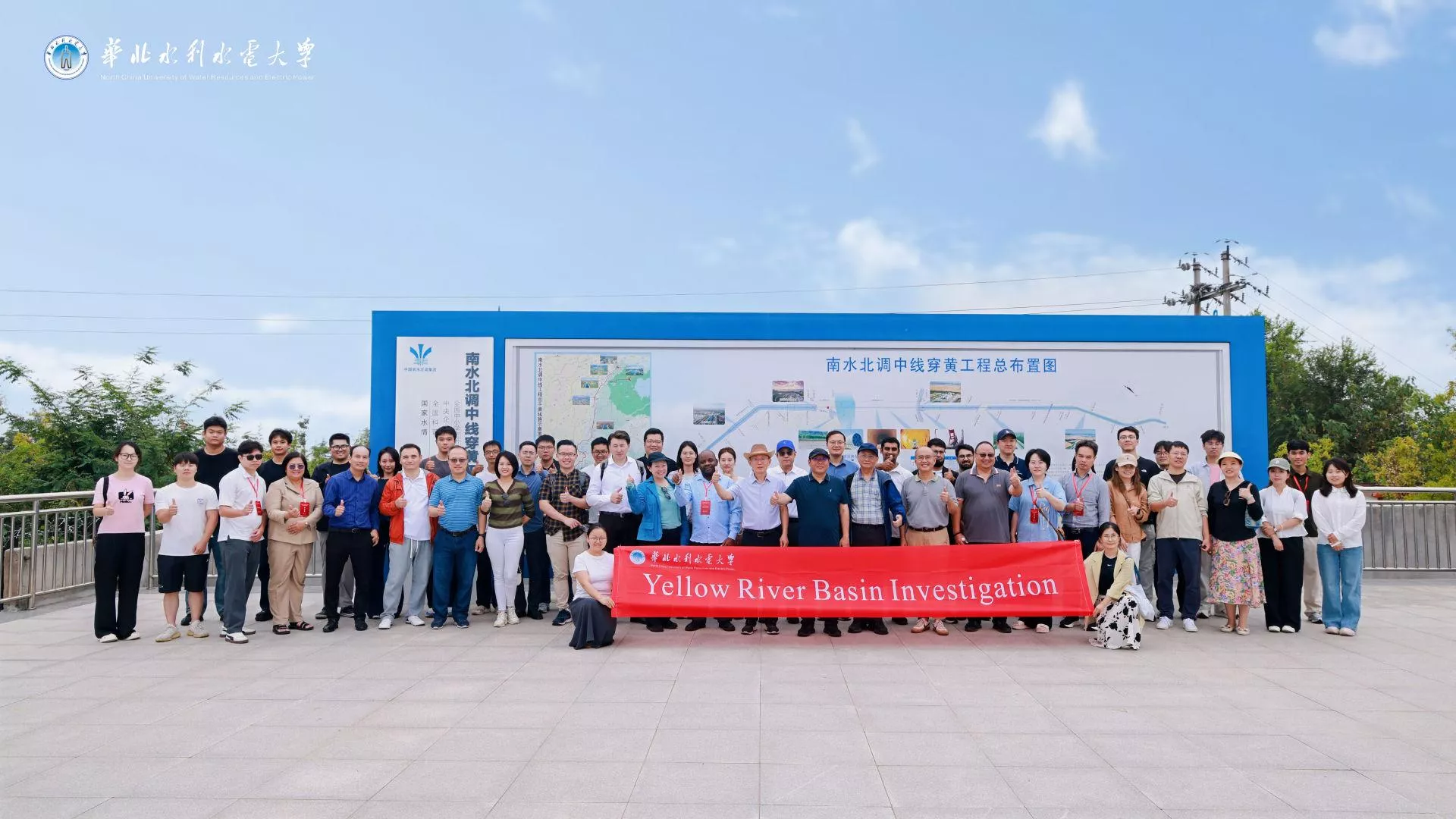
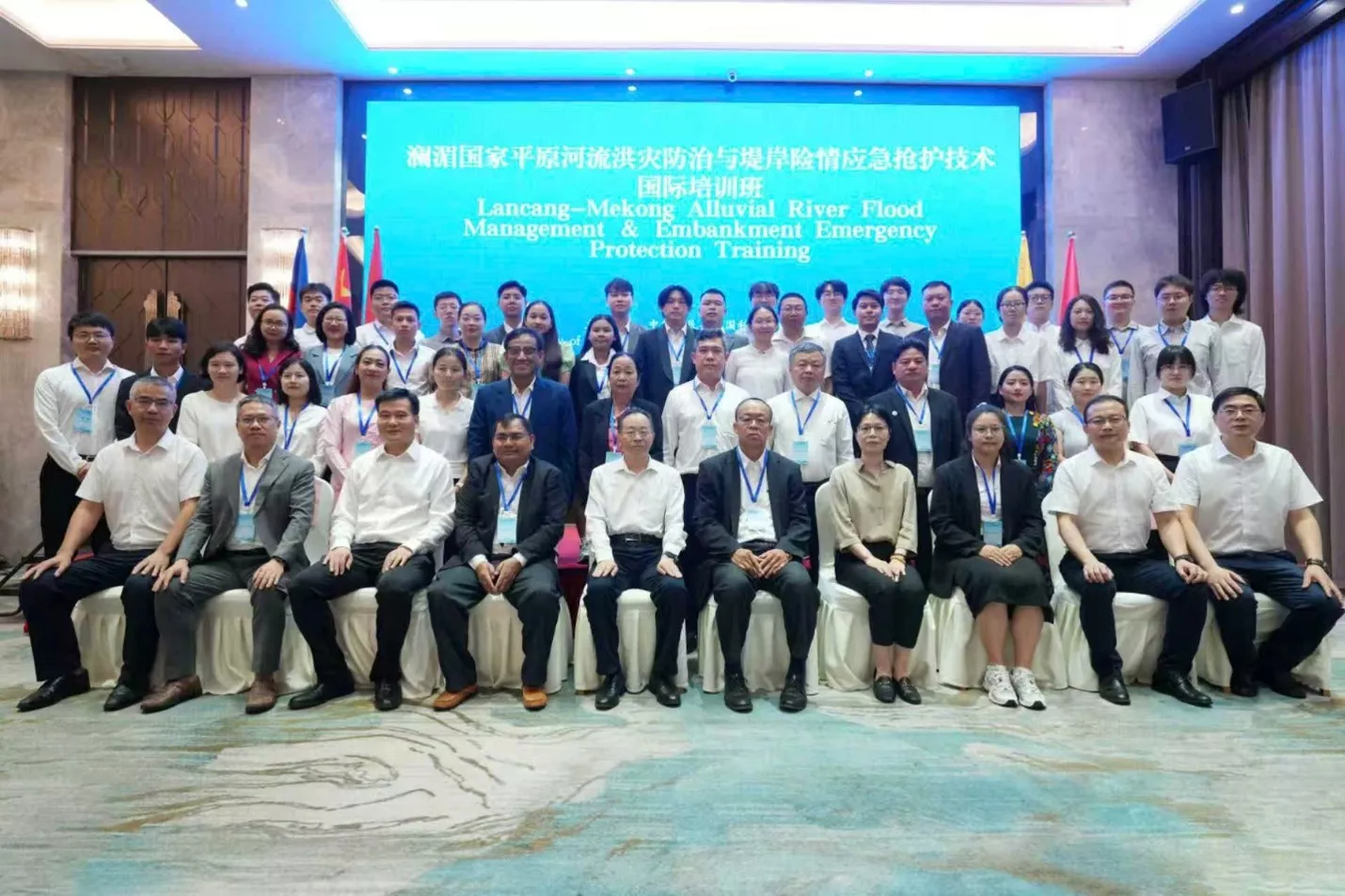
On the morning of July 16, 2026, the 2026 Lancang-Mekong Alluvial River Flood Management and Embankment Emergency Protection Training officially opened in Wuhan, China, with the participation of representatives from the host country and more than 30 delegates from four countries in the Mekong River Basin, namely Cambodia, Laos, Myanmar, and Vietnam.
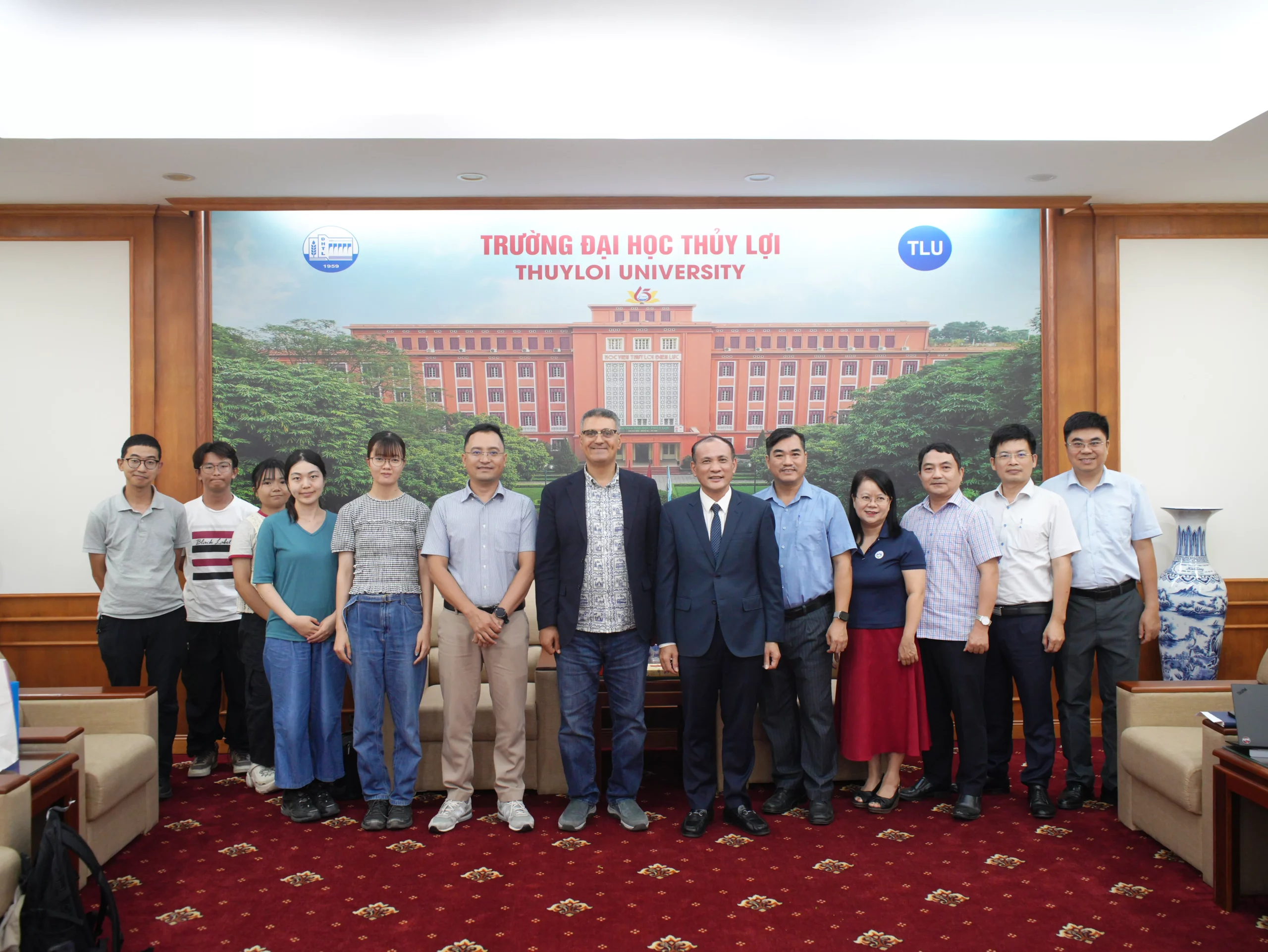
The opening ceremony was attended by Mr. Chen Wenfeng, Deputy Director of the Changjiang River Scientific Research Institute (CRSRI), Mr. Ghen Guiya, Technical Director of the Changjiang Water Resources Commission, and other leaders of CRSRI. From Vietnam, the training was attended by representatives from the Vietnam National Mekong Committee, the Vietnam Academy for Water Resources, and Thuyloi University.
Speaking at the opening ceremony, Mr. Ghen Guiya emphasized that the 2026 Lancang-Mekong Alluvial River Flood Management and Embankment Emergency Protection Training is a highly practical training program that aims to enhance flood and drought management capacity and minimize the damage caused by floods and droughts by sharing China’s experience in managing the Yangtze River Basin. At the same time, the training also serves as an important platform for promoting cooperation between China and the member countries of the Mekong River Commission.
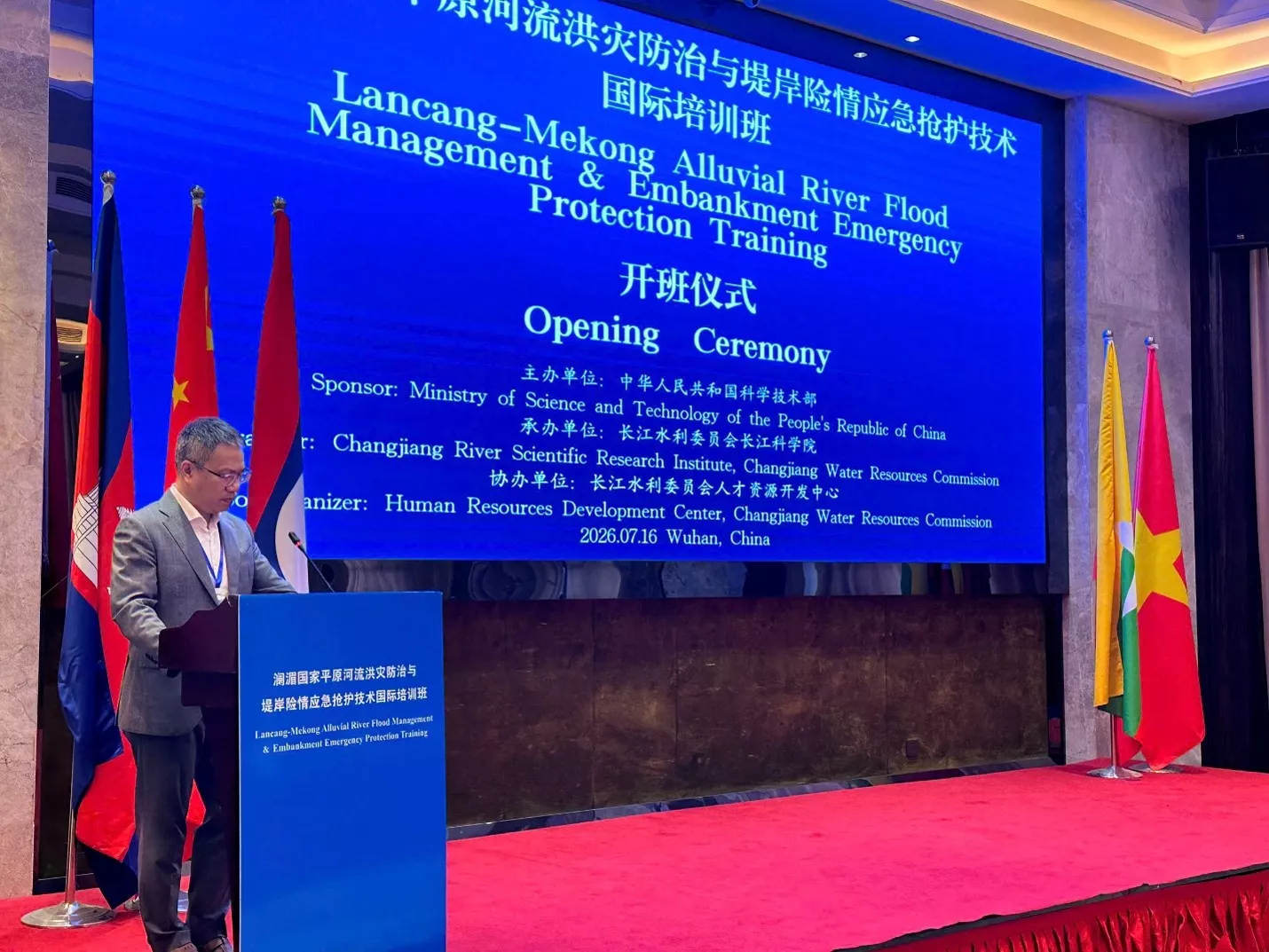
Assoc. Prof. Dr. Tran Thanh Tung, Vice Dean of the Faculty of Civil Engineering, representing the training participants, expressed his sincere appreciation to the Changjiang River Scientific Research Institute (CRSRI) and the Changjiang Water Resources Commission for providing an opportunity for delegates from Vietnam and other countries in the Mekong River Basin to connect, learn from one another, and exchange experiences.
He also highlighted the long-standing cooperation between Thuyloi University and CRSRI, noting that Thuyloi University is one of Vietnam’s leading institutions in education and research in the fields of water resources, hydraulic engineering, disaster prevention and mitigation, and climate change adaptation. He emphasized that participation in the training provides an important opportunity for the University’s faculty members to strengthen academic exchange, share research experience, and expand international cooperation in areas of the University’s expertise.