From 3 to 14 August 2026, two lecturers from the Division of Hydraulic Engineering, Faculty of Civil Engineering, Thuyloi University, attended the “5th ITEC Comprehensive Course on Disaster Risk Management (for ITEC Partner Countries)” at the National Institute of Disaster Management (NIDM) in New Delhi, India. The training course was organized under the Indian Technical and Economic Cooperation (ITEC) Programme of the Government of India, with the aim of sharing knowledge and strengthening the capacity of partner countries.
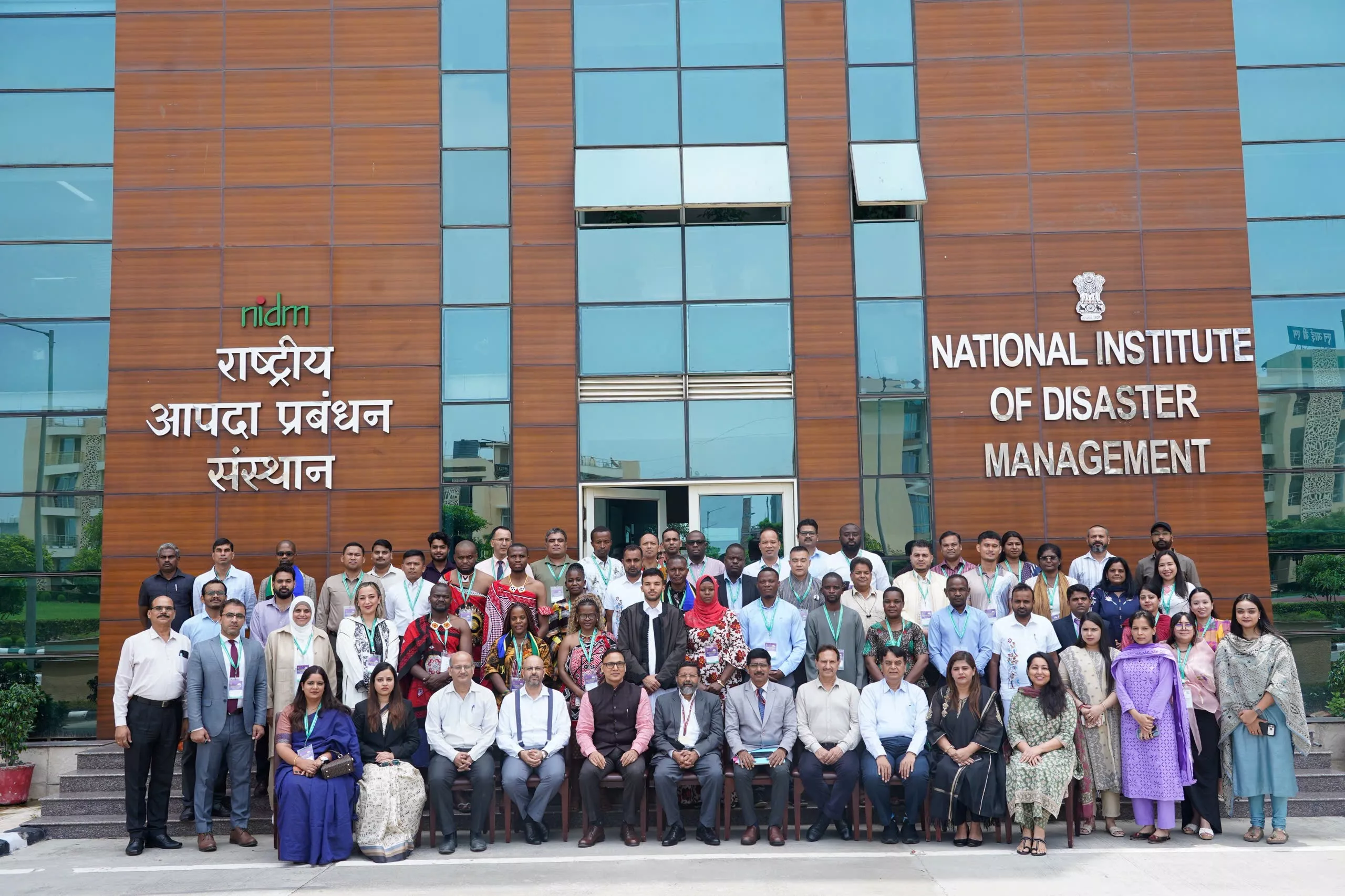
The National Institute of Disaster Management (NIDM) is an institution under the Ministry of Home Affairs, Government of India, with responsibilities for training, research, capacity building, and policy support in the field of disaster risk management. According to the organizers, the course brought together 53 participants, including 39 international delegates from 19 countries across Asia and Africa, along with experts and teaching staff from Indian universities. The multicultural learning environment provided participants with valuable opportunities to exchange experiences, compare disaster management models, and expand their professional networks.
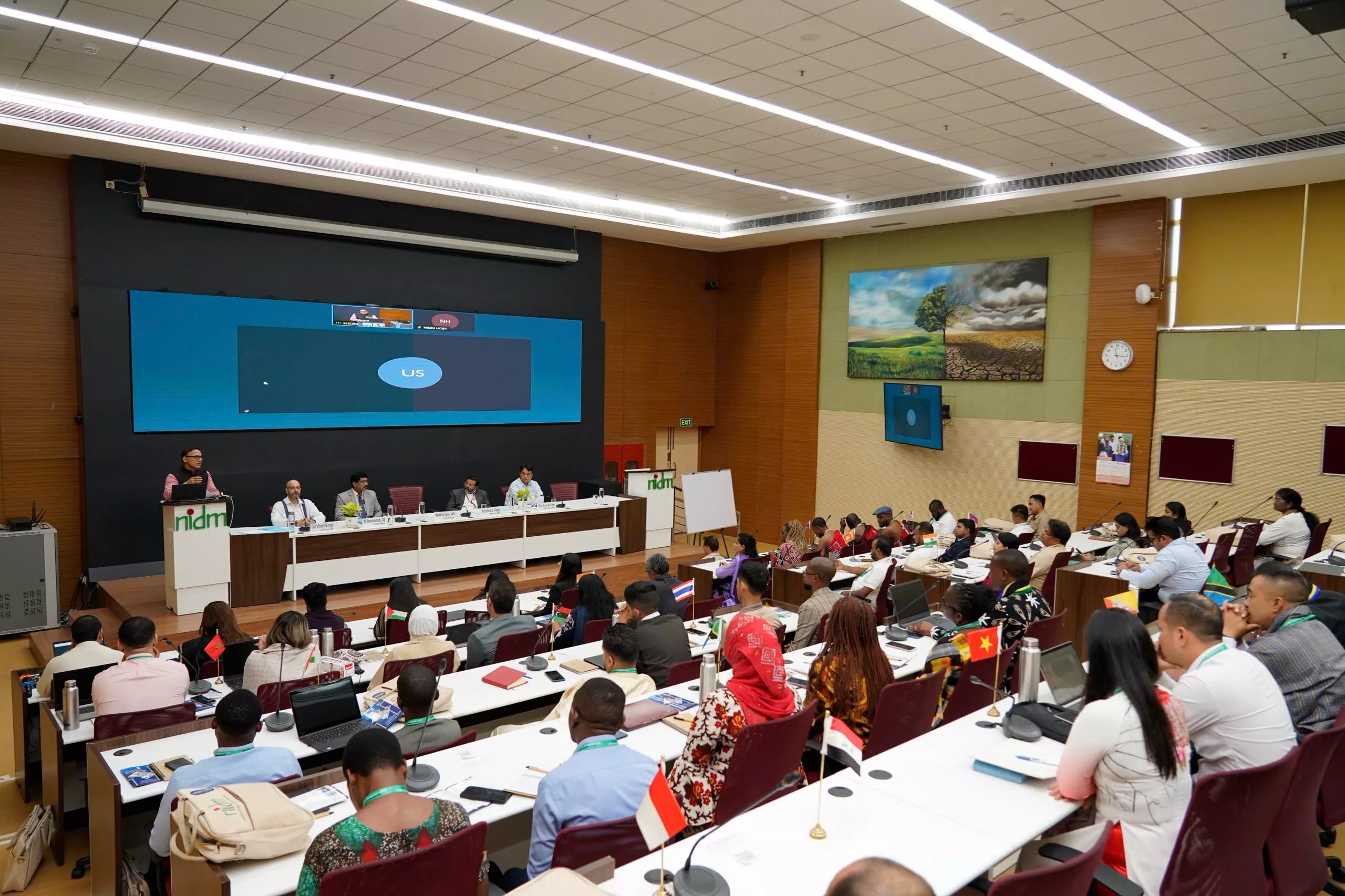
The course covered a wide range of topics, from India’s national institutional framework and governance for disaster risk management to solutions addressing various types of hazards, including earthquakes, floods, landslides, and tsunamis. In addition to technical topics, considerable attention was devoted to increasingly important aspects of modern disaster risk management, including resilience, early warning systems, community psychology and behavior, gender equality, protection of vulnerable groups, and the role of communication in raising public awareness. These issues were also considered in relation to the Sendai Framework for Disaster Risk Reduction and the Sustainable Development Goals.
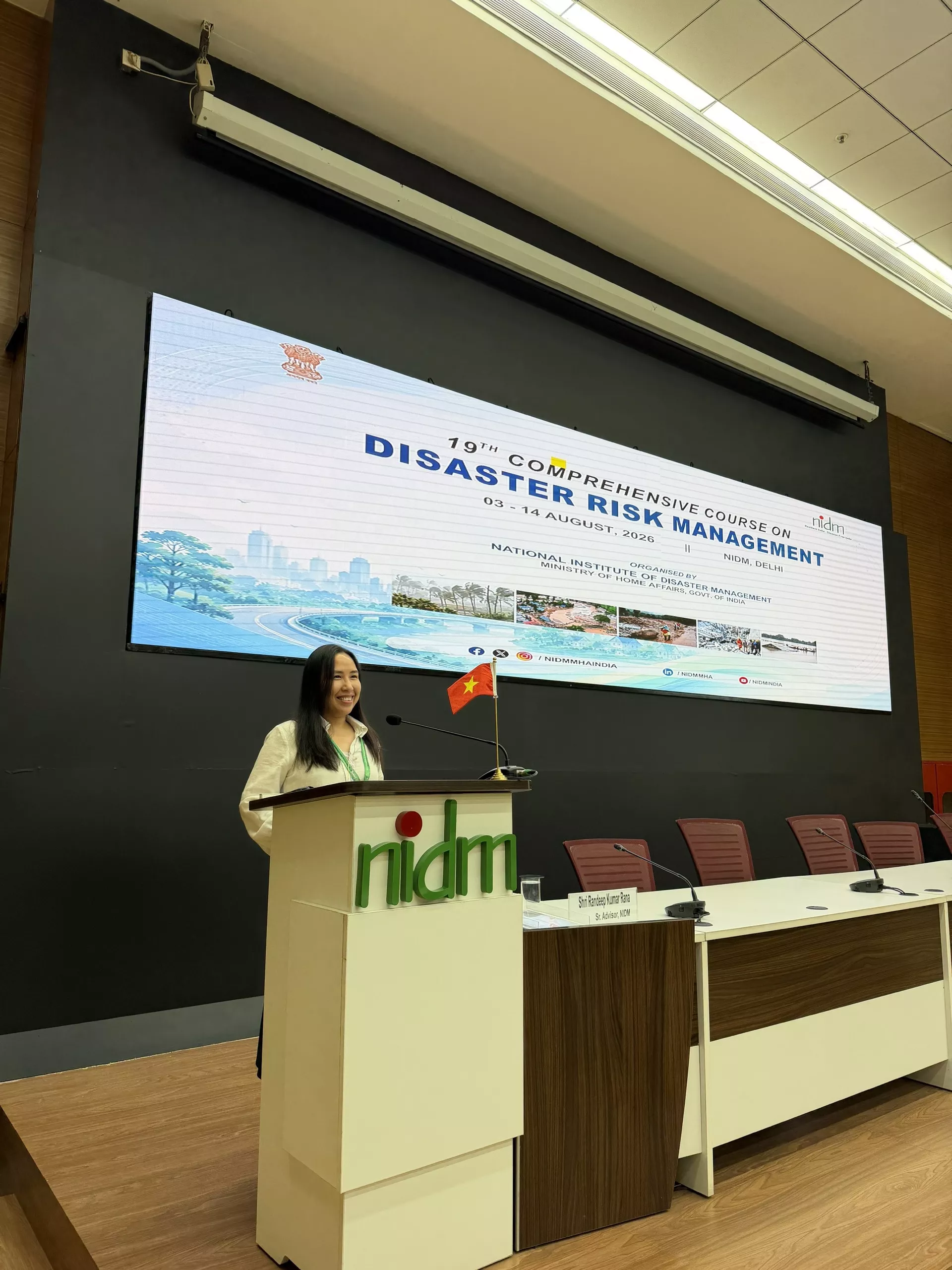
As part of the discussions, representatives from participating countries introduced an overview of their respective disaster risk management systems and shared practical lessons and experiences from their countries. The delegation from Thuyloi University delivered a presentation on the current situation of disaster management in Vietnam, highlighting the University’s areas of specialized research and its strengths in applying modern technologies to flood risk management. The training also provided an opportunity to introduce Thuyloi University’s academic expertise as well as its training and consultancy capabilities to the international disaster management community.
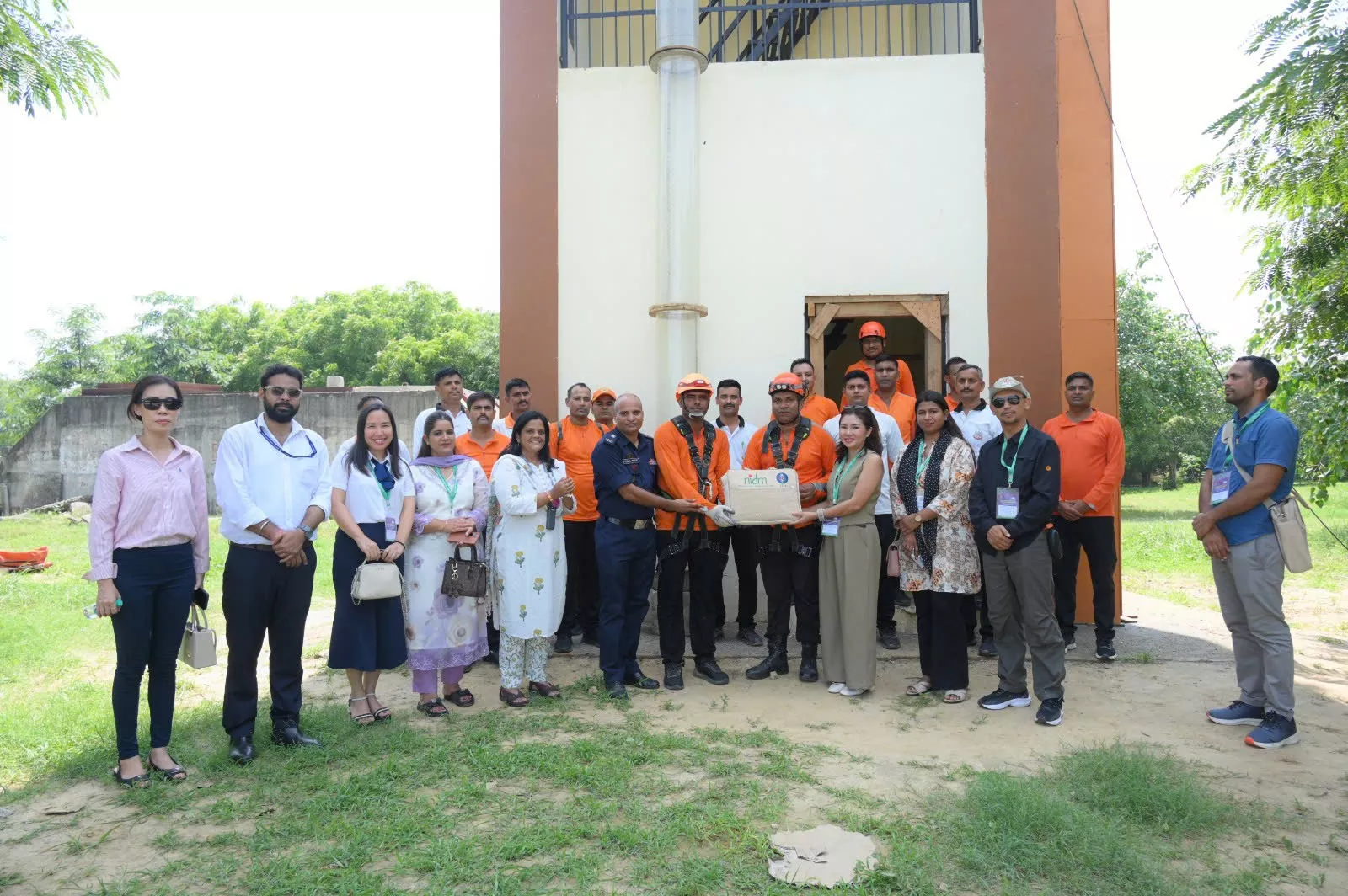
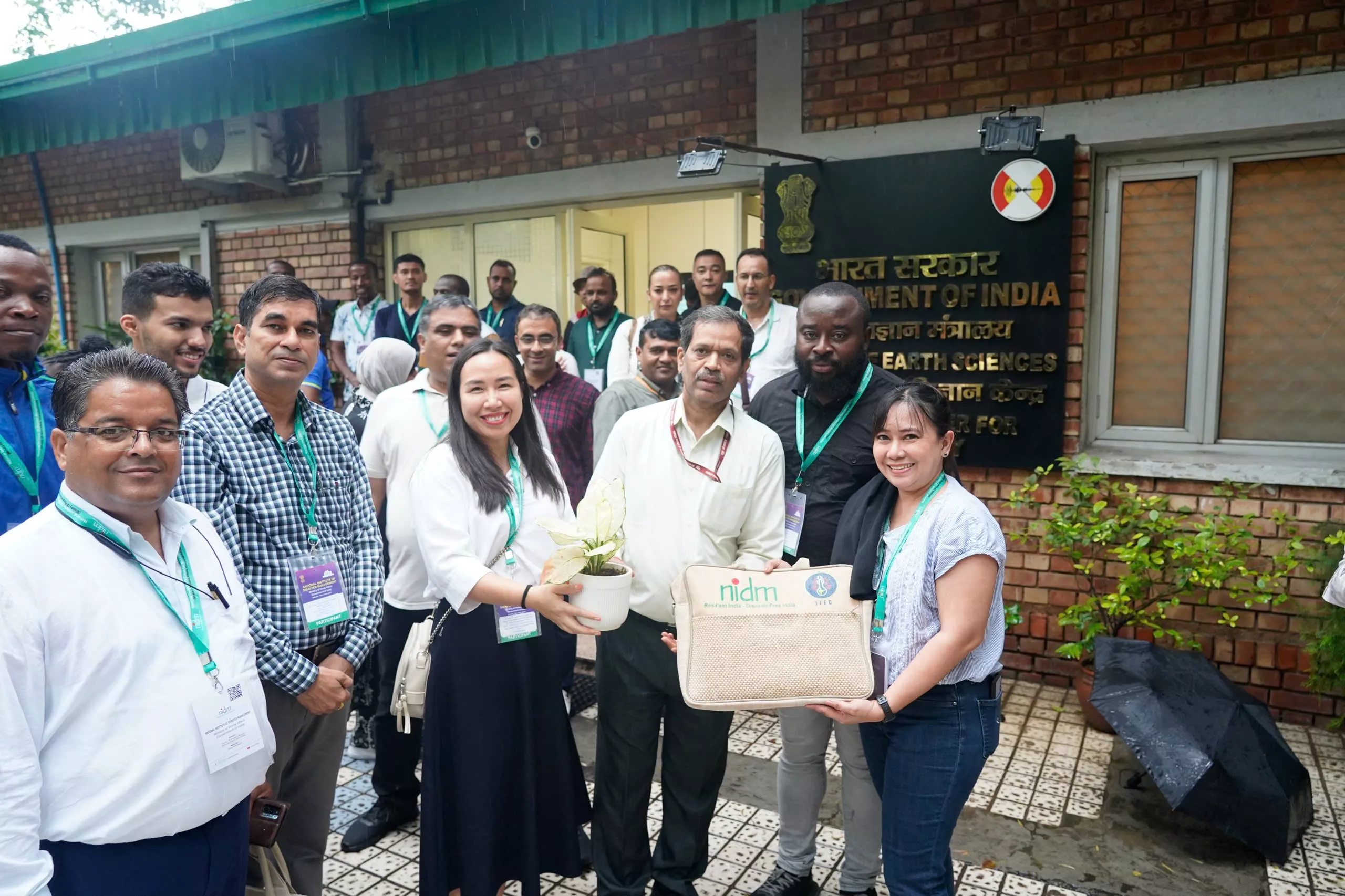
Alongside lectures and classroom discussions, the lecturers visited, held working sessions with, and gained first-hand insights into several specialized agencies within India’s disaster management and response system. At the National Disaster Response Force (NDRF), participants observed training activities and rescue drills and learned about modern equipment used in search and rescue operations. Visits to the India Meteorological Department (IMD) and the National Centre for Seismology enabled participants to learn more about observation, forecasting, and early warning systems, as well as the application of GIS, remote sensing, digital data, and artificial intelligence in disaster monitoring.
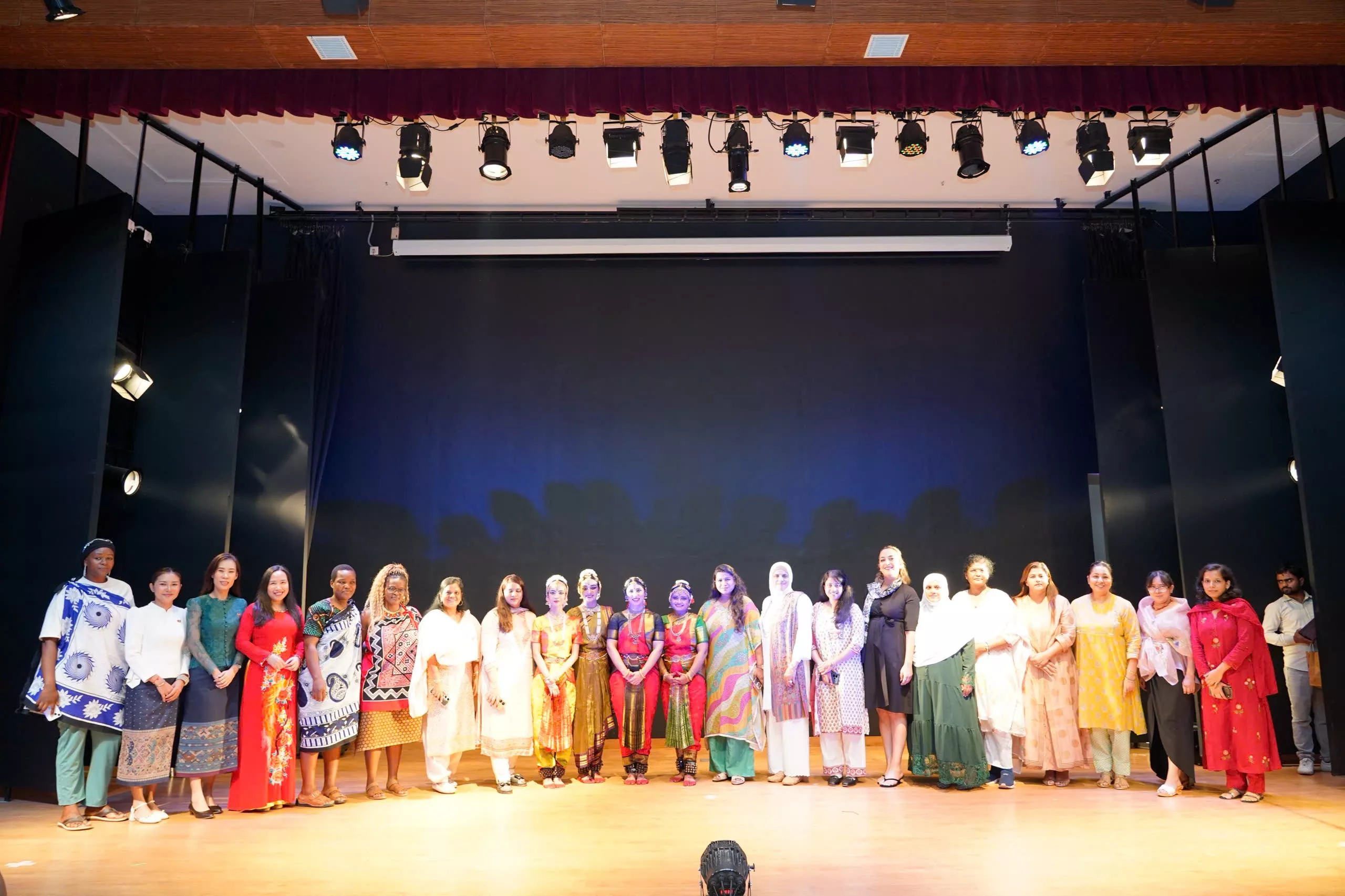
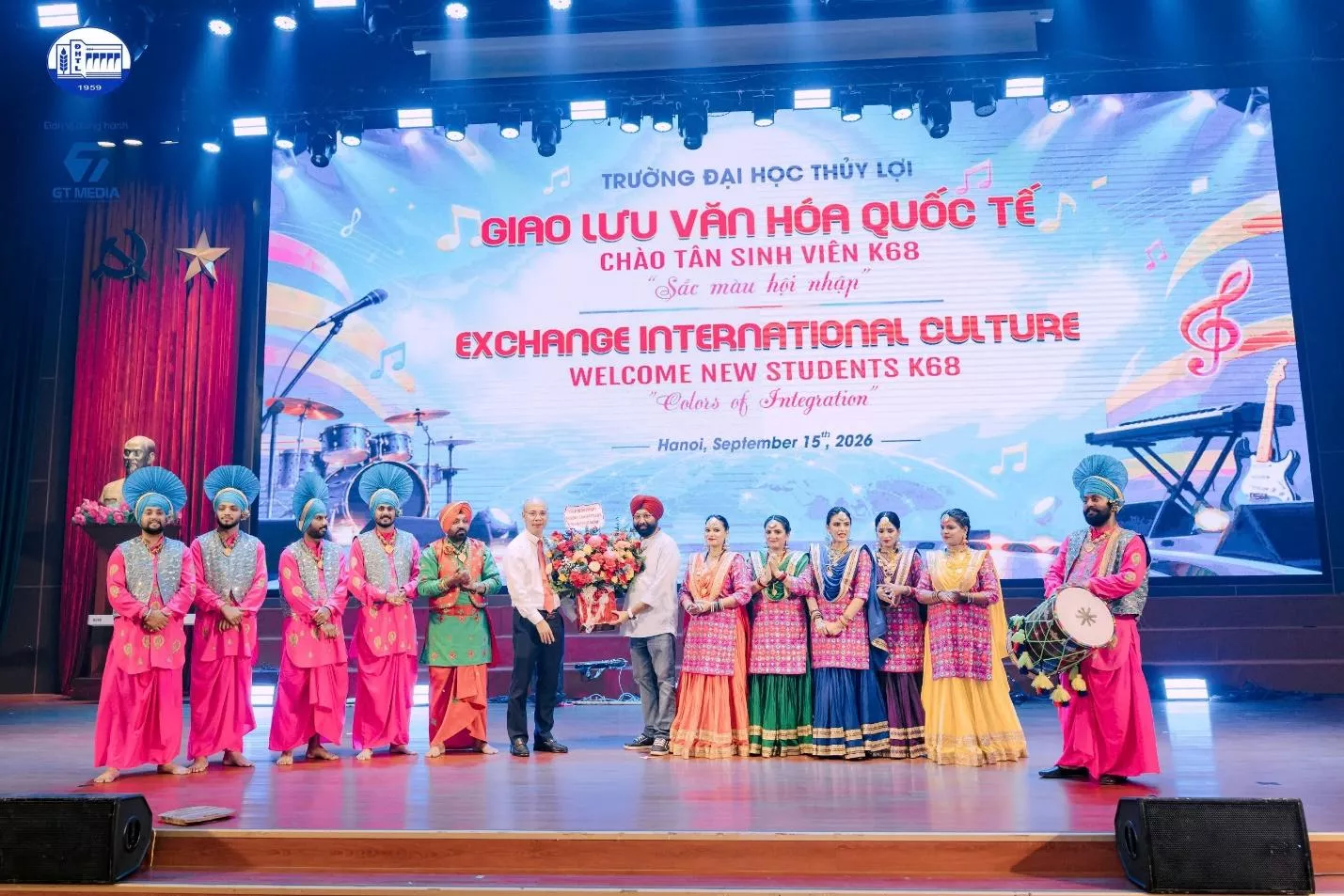
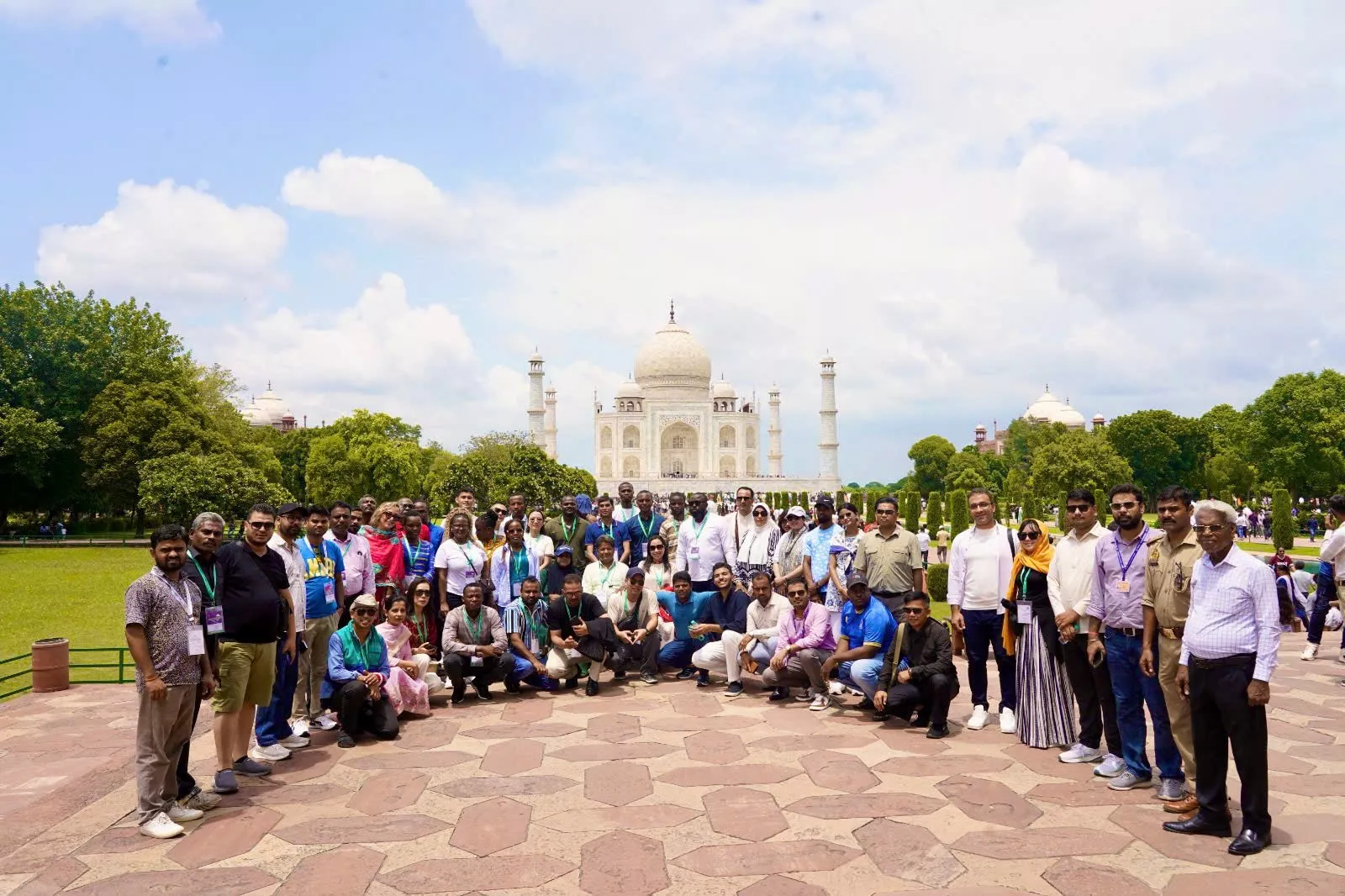
In addition to professional activities, the course provided opportunities for cultural exchange among participants from different countries through an international cultural evening organized by the Institute. The programme also included a visit to the Taj Mahal in Agra, a UNESCO World Heritage Site, allowing participants to learn more about India’s history, culture, and architecture.
Participation in the training course not only enabled the lecturers from Thuyloi University to update their knowledge of modern international approaches to disaster risk management, but also provided valuable practical lessons from India’s experience in disaster management. India shares a number of similarities with Vietnam in terms of natural conditions, while having developed an advanced disaster management system. The knowledge and experience gained from the course will be further studied and integrated into teaching, research, and consultancy activities at the Faculty of Civil Engineering, thereby contributing to Thuyloi University’s international integration and strengthening the University’s contribution to disaster risk reduction and sustainable development.